Diana’s Silent Son: Prince William Upholds ‘Never Complain, Never Explain’ Doctrine as Cancer Battles Forge Inner Strength

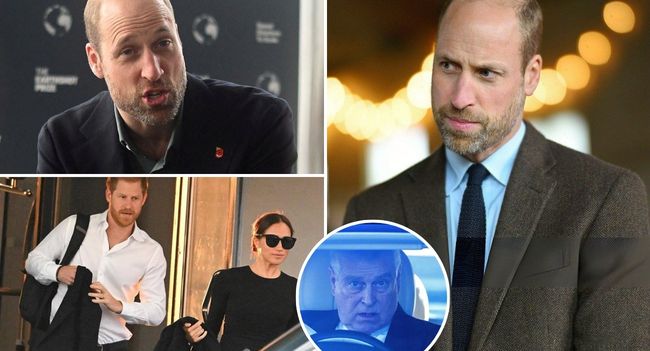
Arriving in a sharp navy suit at the ActOne community cinema in Acton this week, the Prince of Wales offered a definitive exhibition of royal restraint, sailing past shouted media inquiries regarding his uncle Earl Spencer’s explosive new memoir, Swan Song: Diana, My Sister, without acknowledging a single question.

The unruffled posture served as a striking modern reaffirmation of Queen Elizabeth II’s foundational institutional maxim: “never complain, never explain”. While the royal household has faced severe narrative disruptions in recent years—ranging from the Sussexes’ transatlantic interviews to Earl Spencer’s controversial claims regarding King Charles’s demeanor following Princess Diana’s death—Buckingham Palace issued an unprecedented counter-statement suggesting fraternal grief can “cloud reason and colour memory”.

Yet William, who endured the trauma of walking behind his mother’s coffin as a 15-year-old schoolboy, remains resolute in keeping family theatrics firmly at arm’s length.
Royal commentator Phil Dampier emphasizes that William’s studied composure stems from profound personal resilience forged during 2024, when both Princess Catherine and King Charles were diagnosed with cancer. Reflecting on that period in Apple TV’s The Reluctant Traveler, the Prince openly termed it “probably the hardest year of my life.”
According to Dampier, navigating through that existential crisis fundamentally clarified the Waleses’ domestic and constitutional boundaries: “William and Kate have had a policy of never complain, never explain. The worst year of his life gave him perspective and inner strength. Catherine’s got that inner contentment that she’s seen off the worst, and both of them are stronger for it. Their priorities are first and foremost family and making sure the three kids have a normal background considering the goldfish bowl in which they live.”
Dampier further observes that William’s quiet exterior masks a formidable determination that will inevitably define his future reign.
Citing the Prince’s refusal to conform to arbitrary expectations—such as declining to wear a kilt during his Scottish engagements—and his full-circle moment escorting Prince George to Eton College, the commentator concludes that William is consciously preparing for kingship on his own terms: disciplined, sovereign, and entirely detached from the cyclical tabloid drama of the past.