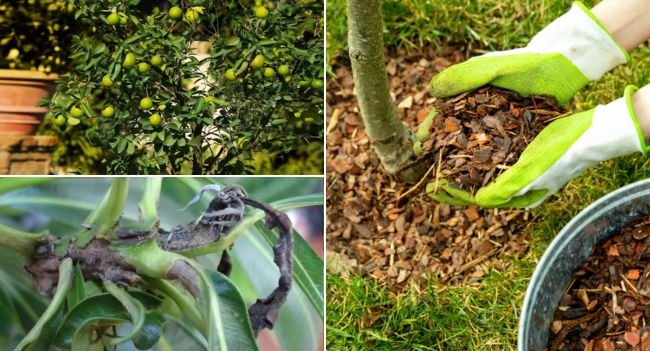
Nothing improves the look of a yard like a fresh layer of mulch. Mulch provides a weed-free backdrop for plants, conserves moisture, moderates soil temperature, and adds organic matter to the soil as it breaks down. No wonder people love to freshen up mulch by adding another inch every spring, fall, and winter.
But when is mulch too much? Can overmulching hurt your plants if you take it too far? Yes, too much mulch can cause problems or even kill landscape plants for the reasons described below.
How Much Mulch Is Too Much?
The general consensus is that mulch should be 2 to 4 inches deep. The larger the plant, the thicker your layer of mulch can be. A large tree or shrub can handle a 3 or 4-inch layer of mulch, but 2 inches is usually preferable in flower beds.
The type of mulch you use also makes a difference. A loose mulch like pine straw or pine bark nuggets will allow more air and water to penetrate. Shredded mulch tends to mat together, blocking air and water. While your trees should do fine with a 4-inch layer of pine straw, shredded mulch can be detrimental when it is more than 3 inches deep.
When you order a fresh load of mulch, remember that you have to take the existing mulch into account. Don’t add 3 inches of mulch on top of a layer that is already 2 inches deep. In this situation, top-dress your landscape beds with a thin, 1-inch layer.
What Happens If You Use Too Much Mulch?
Smothered Roots
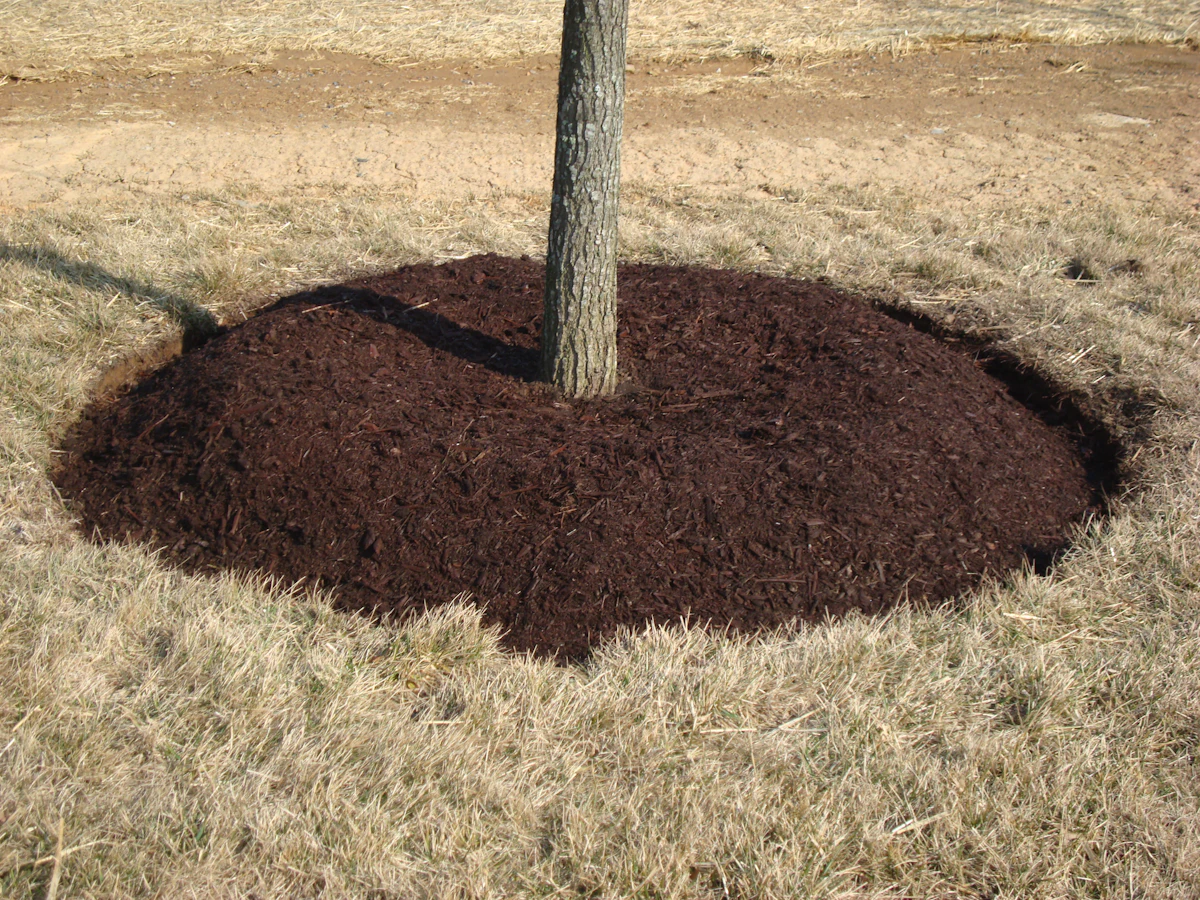
Landscaping services like to pile mulch around tree trunks to form a mulch volcano. The volcano grows higher with each application. Many homeowners copy them and do the same around their trees. Once the layer exceeds 3 or 4 inches, the roots get starved for oxygen, particularly in heavy or waterlogged soils. Trees and shrubs start to decline. Trees will often grow secondary roots right inside the mulch pile in search of more air and better drainage. During dry spells, the mulch dries out and many of the roots die, affecting the tree’s health.1
You can prevent this by keeping mulch no more than 3 inches deep around trees and shrubs, pulling the mulch several inches away from stems and trunks. Don’t cover the root flare at the base of a tree or shrub.
:max_bytes(150000):strip_icc():format(webp)/GettyImages-1310252466-a459ae72dae24bb0a029f41b1a779826.jpg)
Repelling Water
Believe it or not, some mulch will shed water and prevent it from reaching the soil. This is a big problem with finely shredded mulch, which mats into a water-resistant layer. Rain runs off the surface and only dampens the top layer of the mulch until the next long, soaking rain. Your plants are left high and dry and unexpectedly wither away.
If you notice your mulch has a firm, crusty surface, use a garden rake and rough it up so moisture and air can penetrate through the layer.
Disease
Then we have the opposite problem—too much moisture. Heavy clay and low spots in your yard already have trouble drying out. When a thick layer of mulch traps moisture and prevents air flow, rot and fungal diseases may result. This can be especially detrimental to plants that need to dry out between rains. The first sign of too much moisture is yellowing leaves. Some plants will succumb to wilt or root rot.
If you have a spot in your yard that is constantly wet, consider using a coarse mulch that won’t mat down, like pine nuggets. Don’t allow the mulch layer to become more than 1 or 2 inches thick.
Pests
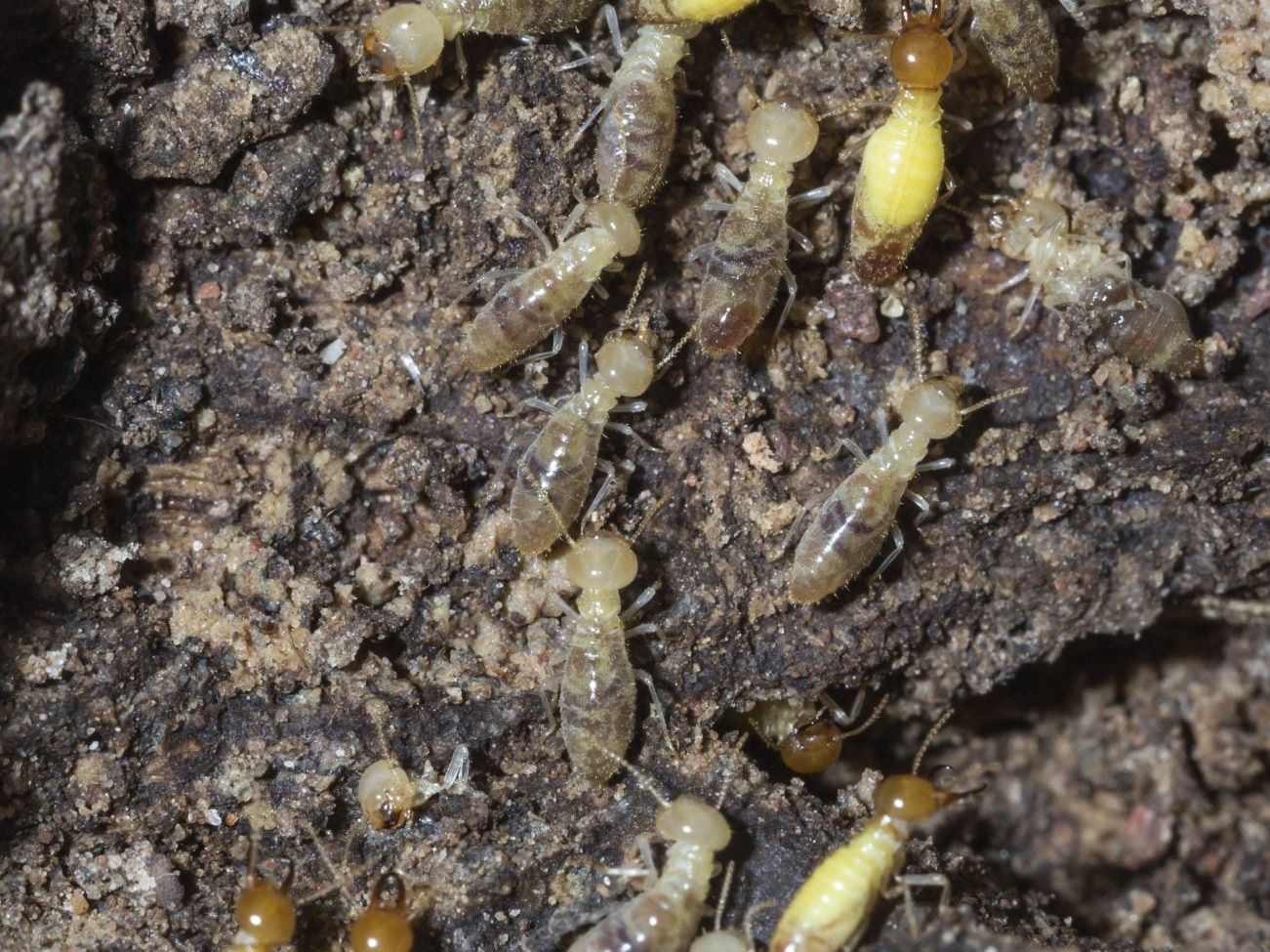
When you pile a mound of mulch against the trunk of a tree or shrub, it encourages pests to nest there and feed on the bark. Insects can burrow into the trunk and cause damage, but rodents will also take advantage of the situation. If a mouse gnaws all the way around a trunk or stem, this will girdle and kill the plant.
Excessive Heat
If your mulch isn’t well-aged, a thick, wet pile will heat up and become acidic as it decomposes. This can damage bark on shrubs and trees and burn through the stems of flowers and vegetables. The warmth can also delay plants from hardening off in winter. A sudden freeze can damage or kill portions of the plant.
This is another good reason to follow the advice to pull mulch a few inches away from stems. After the first frost, you can apply more mulch to protect your plants from freezing weather.
Source: https://www.southernliving.com/can-overmulching-hurt-your-plants-11978008