
Whether you believe it or not, it’s hard to deny that these beliefs have become incredibly popular topics. Some believe them, some dismiss them as nonsense, and others question whether they are true. The following 11 superstitions are just a few of the many typical beliefs!
1. Closing the eyes of the dead
Have you ever wondered why, in movies, when someone dies, one of the first things the living do is close the eyes of the deceased? This is based on a superstitious belief related to the eyes of the dead. Some legends suggest that making eye contact with a corpse will endanger the living and their family. Others take a more explicit view, claiming that the dead, with their eyes still open, will seek someone alive to accompany them to the afterlife.

To ensure the eyes remain closed, another equally common practice is for the living to place coins on the eyes of the deceased, causing the eyelids to become heavy and droop. Additionally, they believe the deceased will use these coins to pay the ferryman who transported them across the river of death (the Styx).
Even if you don’t believe in superstitions, this concept has certain implications. Would you dare to glance into the eyes of a deceased person?
2. Birds and Death
Ancient people believed that birds could sense the power of the gods because of their ability to fly in the sky like the gods. Unsurprisingly, many superstitious beliefs later became associated with birds and death. For example, a person who heard the cuckoo’s call for the first time in the year while sick and confined to bed would die. If they survived, a family member would bear the misfortune in their place.
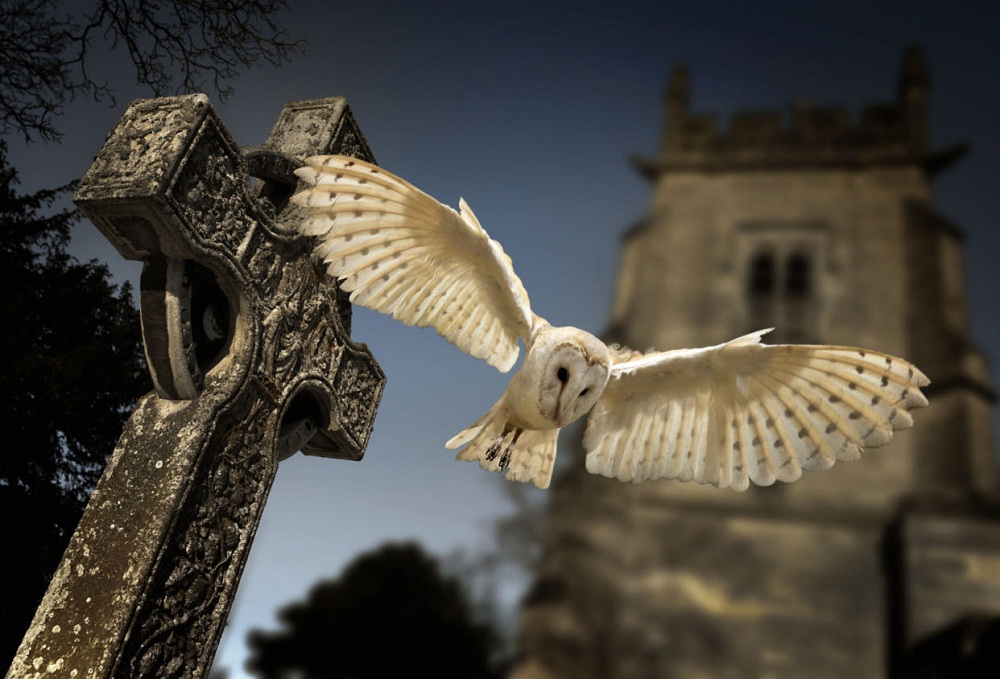
A bird entering the house or even just appearing at the window can bring death, especially if the bird is black or someone in the house is sick. Finally, some birds are considered extremely ominous, bringing destruction even if they simply fly in circles around the house. Owls and crows are seen as animals that always bring bad luck. Even Julius Caesar is said to have heard an owl hooting before his death.
3. Hold your breath when walking past a cemetery

When driving or walking past a cemetery, hold your breath until you’ve passed it—believe it or not? The superstitious belief is that the souls of the dead will linger unless their bodies are safely buried underground. Otherwise, those souls will wander the cemetery, waiting for an opportunity to return to life. Simple things like taking a deep breath near a cemetery are believed to give the departed soul a chance to possess the body of a living person. Worse still, it could overwhelm you, even causing your death.
4. The sound of thunder
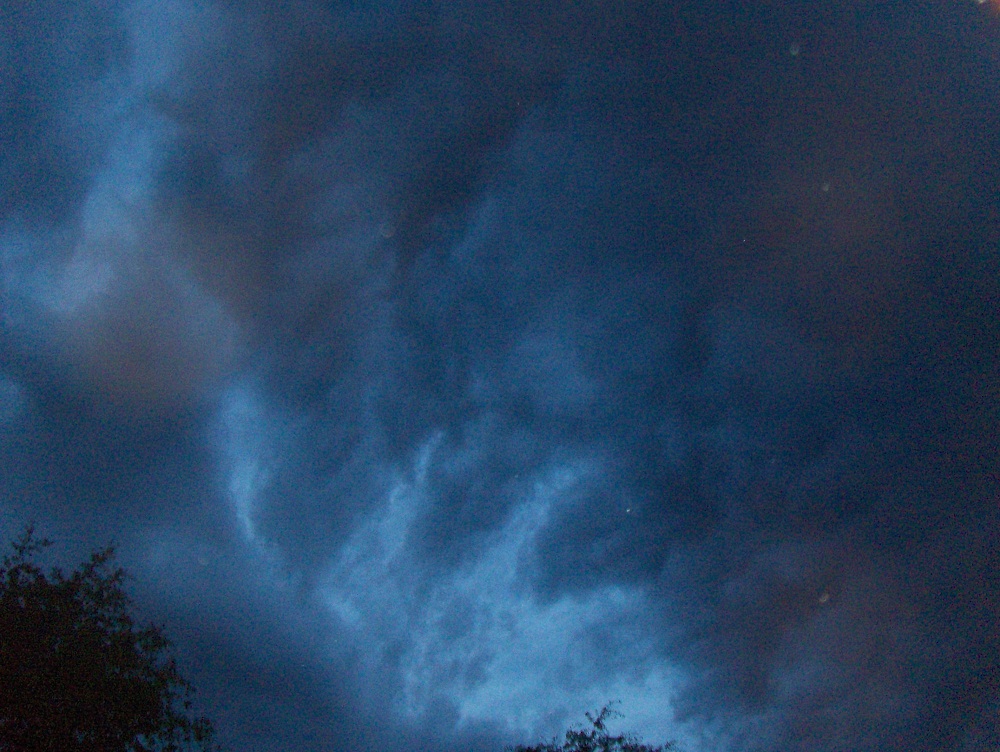
To bring comfort and alleviate grief during difficult times, many people often look up at the sky to confirm that the deceased has reached the “jade gate” (the gateway between the earthly and heavenly realms). If thunder rumbles after the funeral ceremony, it means they have been liberated; if it occurs during the ceremony, it is a sign that the deceased is going to a very unpleasant place.
5. Facing east

One superstitious belief holds that even the way a corpse is buried can affect the lives of the living as well as the afterlife of the deceased. If the corpse’s feet are facing the sunrise (east), it is considered lucky for the living and makes it easier for the dead to reach their destination.
The location of the grave in the cemetery is also important. The south side of the cemetery is considered the most suitable if you want the deceased to be safe, while the north side is reserved for those who died by suicide, committed crimes, or died without being baptized.
6. The Power of Flower Petals
Placing flower petals in the graves of the deceased is a very common tradition, but many people don’t know the reason behind it. A few hundred years ago, before modern embalming techniques, throwing flowers into graves helped mask the smell of decomposing bodies, preventing environmental pollution. Today, preventing these smells is no longer necessary, but the habit of throwing flower petals into graves still persists. They believe that doing so prevents the soul of the deceased from “escaping” the grave to wander in the real world. Others believe that flowers soothe the soul of the dead, preventing them from haunting the living.
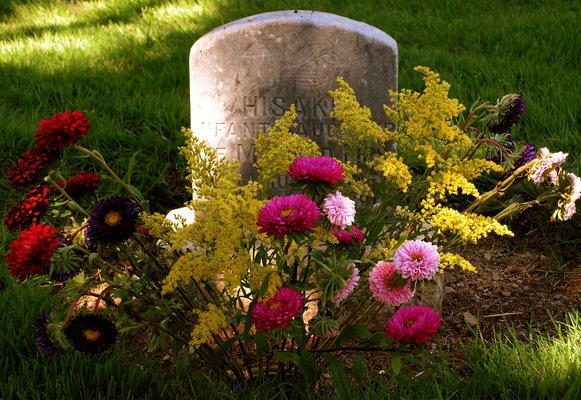
Furthermore, many people believe that if one has lived a good life, flowers will grow on their grave after death. Conversely, if one has done something wrong, the grave will have no flowers or will be covered with weeds. Others believe that picking a flower or weed from a grave always brings good luck.
7. Number 13
Planning a dinner party? If you or your guests believe in superstitions, make sure the party doesn’t have 13 people. A very common belief is that if the 13th person sits at a table, the first person to stand up will die. It sounds unbelievable, but this notion has been corroborated by a great deal of compelling evidence.
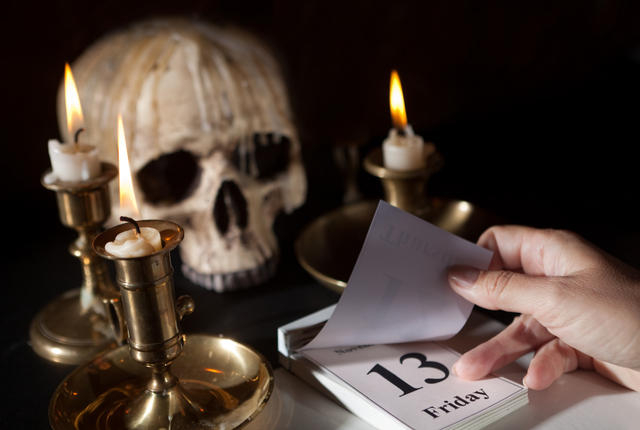
For example, a Norse legend tells of twelve gods dining. When the thirteenth god appeared at the feast, one of the gods who arrived before died instantly, and soon after, humanity began its period of destruction. Similarly, Judas was once believed to be the last guest in the painting *The Last Supper*, and you can imagine what happened afterward!
Former US President Theodore Roosevelt also believed in this. Whenever he attended a dinner party, he would have his secretary count how many people were present. If the total was 13, the former US president would ask his secretary to sit at the table to increase the number of people seated to 14!
8.Three Celebrities Die in Consecutive Times
In the summer of 2009, Ed McMahon, Farrah Fawcett, and Michael Jackson all died within three consecutive days. This wasn’t the first time three celebrities died in quick succession, but it’s one of the most classic examples of this belief (Celebrity DeathMatch). Now, whenever a celebrity dies, those who believe in “Celebrity DeathMatch” hold their breath, waiting for the next one to pass away.
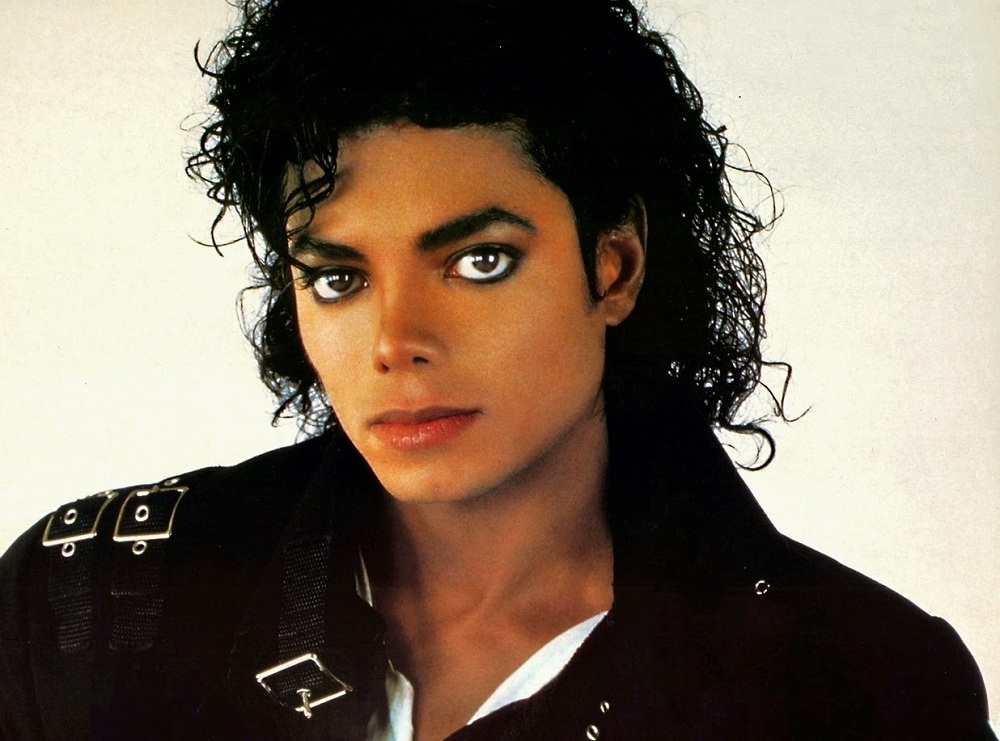
There’s certainly no reason to believe that the death of one celebrity is linked to the death of another, or to accept that three stars of fate have been set for those three. This is really just a “pattern” of tragedy that, for many superstitious people, can make a chaotic, unpredictable world seem to have some “meaning.” For some, it’s also a way to start something bad – three deaths and the timing that triggers other bad things to happen.
In 2014, the New York Times conducted an analysis of obituaries to find evidence supporting this belief. In 24 years of research, the report found seven instances where three celebrities died in quick succession within just five days.
9. Death and pregnancy
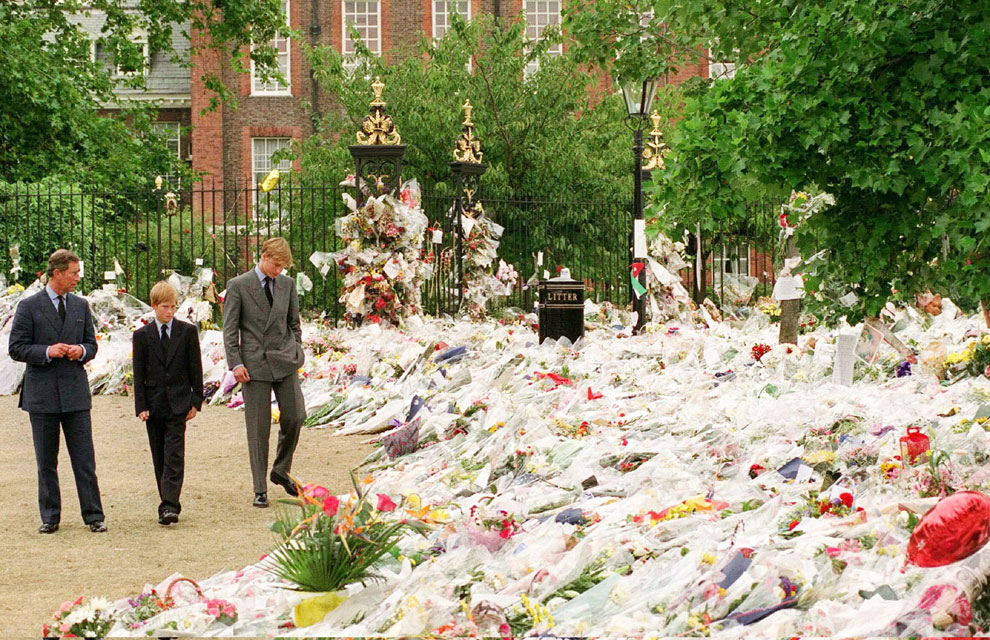
For centuries, pregnant women have been discouraged from attending funerals. A folk belief holds that spirits, after leaving their bodies, seek a “master” to possess, and expectant mothers are considered ideal “targets.” Even today, pregnant women rarely attend funerals due to this strong superstition, though they are more likely seeking stress relief than an attempt to avoid wandering spirits.

Of course, superstitions about death targeting pregnant women don’t stop at the cemetery gates. Simply entering a cemetery to pay respects to a loved one or attending any funeral can cause miscarriage. Some young women, believing this, choose to terminate their pregnancies by entering a cemetery, hoping to avoid the pain of an abortion at a hospital. In some cultures, entering a cemetery is normal, but stepping on a grave can cause a pregnant woman to lose her child or result in the child being born with deformities.
10. The Obsession with the Number 3
For those who believe in superstitions, daily activities that involve three people are often considered unlucky. For example, a common belief is that when three people take a photo together, the person in the middle is likely to die first. Therefore, it’s better to find a fourth person to form a quartet rather than maintaining a trio, which is believed to bring misfortune.
Another deeply superstitious belief is that a single match should never be used to light three cigarettes because the person who smokes the third will die. This legend originates from the Crimean War and is based on a logically sound premise. In combat, the first cigarette lit was seen as a signal from the sniper that a target was approaching. When the second cigarette was lit, the sniper had already aimed and was ready to fire, and when the third lit, the bullet was already aimed at them. However, is this belief still valid in modern times? Science has yet to provide a clear explanation!
11. Giấu ngón tay cái khi đi qua nghĩa trang
One of the superstitious beliefs in Japan is that when passing by a cemetery or seeing a hearse, you should hide your thumb. In Japanese, the thumb is oyayubi (meaning “parent’s finger”).
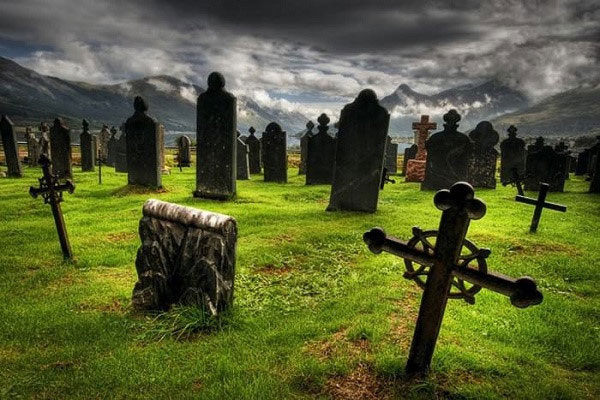
Therefore, the act of hiding your thumb when passing through a cemetery or when seeing a funeral procession is considered to protect your parents. They do this because they believe that if their thumb is exposed, it means their father or mother is about to die.