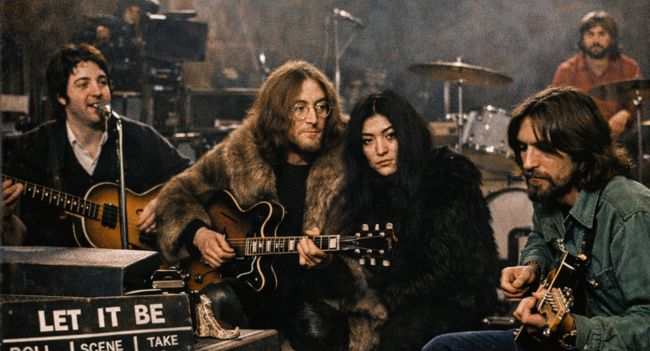
January 2, 1969, marked the quiet beginning of one of the most difficult chapters in Beatles history — a period George Harrison would later describe as the band’s “winter of discontent.” What was meant to be a return to simplicity instead exposed just how fractured the world’s greatest band had become.
The idea itself was not a bad one. In fact, on paper, it sounded inspired. Paul McCartney envisioned a project called Get Back — a complete reset after the studio experimentation of Sgt. Pepper’s Lonely Hearts Club Band, Magical Mystery Tour, and The White Album. The plan was to write new songs from scratch, rehearse them live, film the entire process, and then perform the material in a concert setting somewhere spectacular. That live performance would become the album. No studio tricks. No overdubs. Just The Beatles, as a band again.

The problem was simple: Paul was almost the only one who truly believed in it.
The timing could not have been worse. John Lennon was deeply addicted to heroin and emotionally detached, insisting that Yoko Ono remain at his side throughout the sessions — something unheard of in earlier Beatles years. George Harrison had reached a breaking point. Having recently spent time with Bob Dylan and especially The Band, George discovered what it felt like to be treated as an equal songwriter rather than the “junior partner” behind Lennon and McCartney. The contrast was impossible to ignore. As for Ringo Starr, he did what he often did during Beatles turmoil — showed up, waited for direction, and tried to keep the peace.
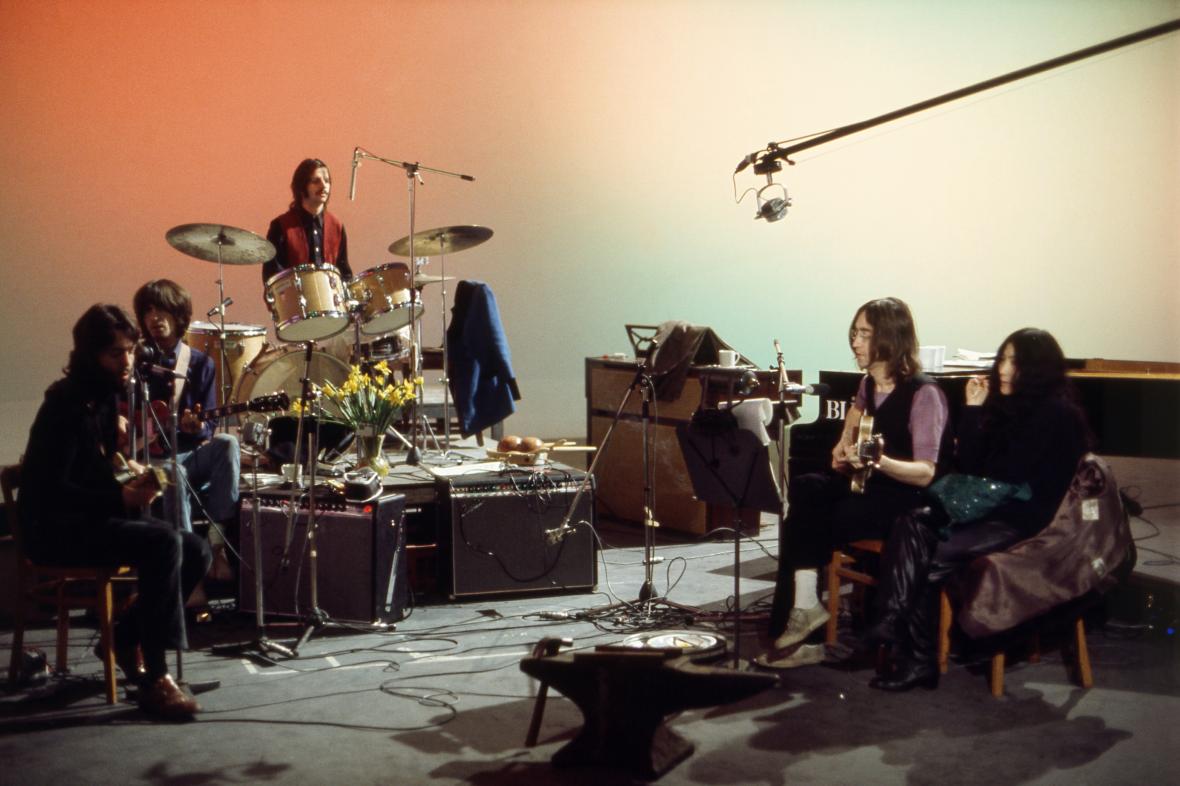
Then there was the setting. Twickenham Film Studios was cold, cavernous, and lifeless — the worst possible environment for creative intimacy. Sessions began early in the morning, forcing the band to try to write and arrange new music at a time when they were barely awake. Even watching the Let It Be film decades later, the discomfort is obvious. The room feels heavy, joyless, and tense.
Paul, sensing the band drifting apart, became increasingly domineering. From his perspective, someone had to lead — but to George, it felt suffocating. The breaking point came when Harrison finally walked out, effectively collapsing any hope of the original television special and live concert concept.
George would eventually agree to return — but only under strict conditions. The band would abandon Twickenham and relocate to Apple Studios on Savile Row. He would also bring in his friend Billy Preston, whose warm presence and musical sensitivity immediately softened the atmosphere. For a brief moment, the band almost felt like a band again.
In the end, the grand concert idea was reduced to something far smaller — and far more iconic. On January 30, 1969, The Beatles performed an impromptu set on the rooftop of the Apple building. It wasn’t planned as history, but it became exactly that: their final live performance together.
More than a year later, producer Phil Spector was brought in to assemble an album from the enormous amount of tape recorded during the sessions. The result was Let It Be, released alongside the film of the same name. While the album contained moments of beauty and power, it was a far cry from Paul McCartney’s original vision.
Still, these sessions have never stopped fascinating fans. Countless high-quality bootlegs reveal alternate versions, loose jams, and glimpses of what Get Back could have been. Decades later, Peter Jackson’s Get Back documentary offered the most intimate look yet — showing not just the conflict, but also the humor, warmth, and fleeting magic that still existed between them.
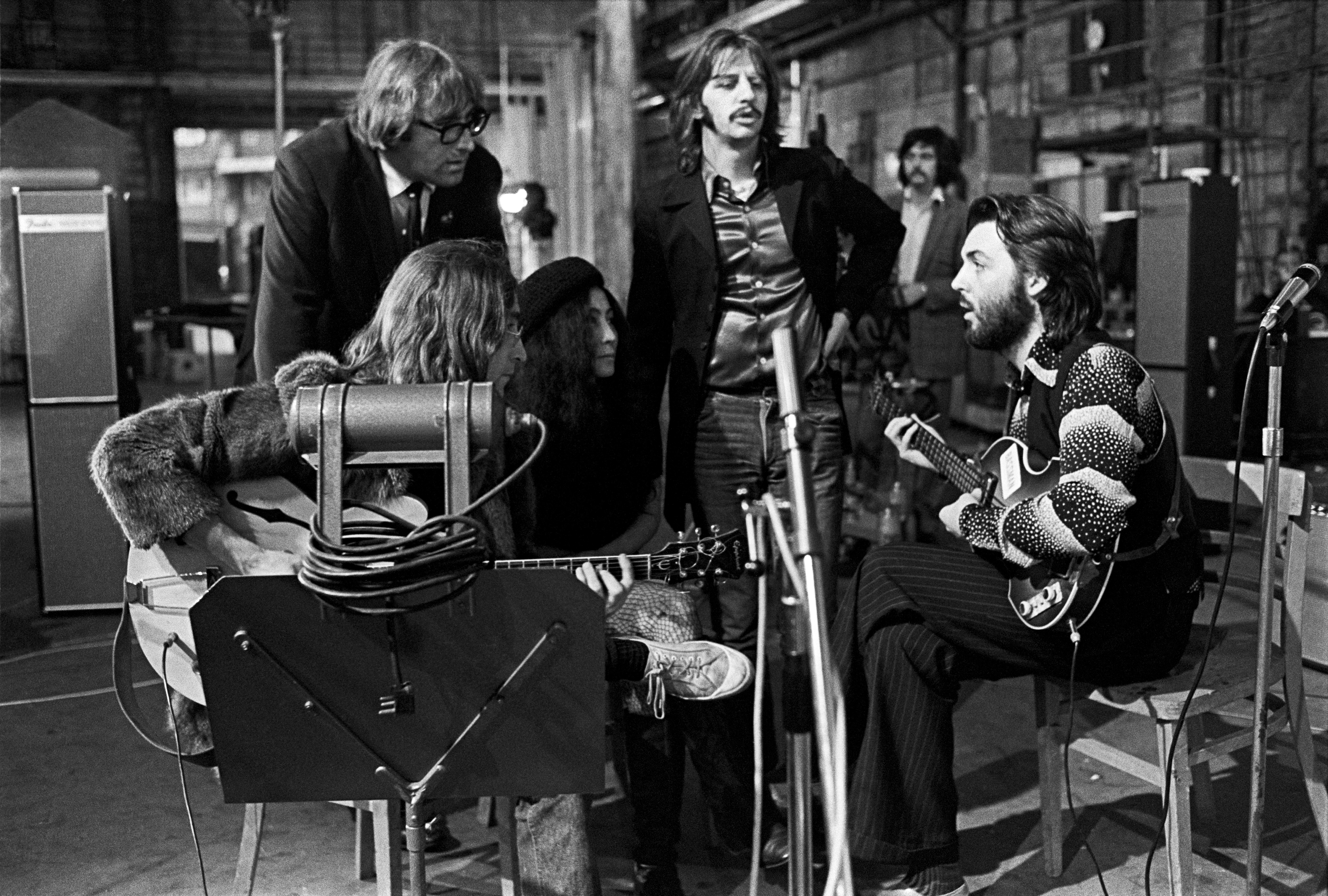
The first day of filming began around 9:30 a.m. on January 2, 1969, as director Michael Lindsay-Hogg captured Mal Evans and Kevin Harrington setting up equipment on Stage One at Twickenham. Those shots would later become the opening moments of Let It Be. Musically, the band focused heavily on “Don’t Let Me Down,” “I’ve Got a Feeling,” and “Two of Us,” while also exploring a wide range of covers, jams, and unfinished ideas.
Songs recorded that day included multiple takes of “Don’t Let Me Down,” early versions of George’s “All Things Must Pass,” fragments like “Child of Nature,” Dylan covers such as “I Shall Be Released” and “The Mighty Quinn,” Buddy Holly tunes, Chuck Berry’s “Brown-Eyed Handsome Man,” and spontaneous jams that captured The Beatles thinking out loud in real time.
January 2, 1969, didn’t just begin a recording project — it marked the moment when The Beatles stopped being a myth and became painfully human. The cracks were no longer hidden. And yet, somehow, even in their winter of discontent, they still managed to create music that would