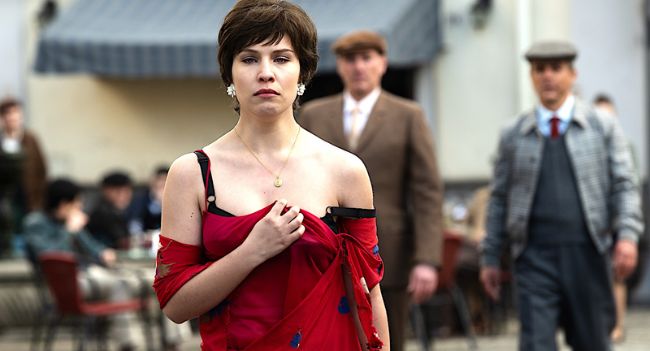
Inside The Monster of Florence (Il Mostro di Firenze): Unpacking Italy’s Most Infamous, Bizarrely Complex Serial Killer Mystery
If you look past generic true-crime streaming algorithms trying to package every historical homicide dossier as a standard jump-scare murder mystery, you are looking at the terrifying, real-life phenomenon of The Monster of Florence, an unidentified serial killer (or network of killers) whose reign of terror paralyzed the rolling hills of Tuscany across nearly two decades.

The Setup: The Tuscan Countryside, Lovers’ Lanes, and a Ballistic Nightmare
Moving away from chaotic urban crime waves or professional gangland hits, the narrative unfolds across the deceptively peaceful vineyards and secluded rural lanes surrounding Florence:
-
The Target Profile: Between 1968 and 1985, eight separate double murders shattered the region. The killer meticulously targeted young couples parked in secluded spots in the countryside to spend intimate moments together.
-
The Modus Operandi: The victims—consisting of local Italian youths as well as foreign tourists—were systematically ambushed, shot with a .22 caliber Beretta pistol using specific Winchester “H” series cartridges, and frequently subjected to gruesome post-mortem mutilations.
-
Decades of Terror: Because the crimes occurred sporadically over seventeen years, local authorities were often agonizingly slow to connect them, allowing an atmosphere of folklore, local paranoia, and profound institutional panic to take root across Italy.
Key Figures & Bizarre Investigative Turns
-
The Weapon as the Only Constant: Ballistic forensics eventually tied all the shootings to the exact same .22 caliber gun and ammunition box, turning the search for the firearm into a legendary, multi-decade ghost hunt.
-
The “Sardinian” and “Peasant” Theories: Italian investigators chased endless rabbit holes, suspecting everything from local agricultural feuds and jealous husbands to a tight-knit circle of local men known as the compagni di merende (friends who snack together).
-
The Flawed Trials: Characters like the volatile local laborer Pietro Pacciani and his associates were famously tried, convicted, and in many cases subsequently acquitted or subjected to chaotic retrials amid allegations of police coercion, satanic cult conspiracy theories, and judicial overreach.
Cultural Impact & Pop-Culture Legacy
-
The Inspiration for Hannibal Lecter: The sheer psychological horror and clinical precision of the Florence murders deeply inspired novelist Thomas Harris, who used elements of the case and its Italian investigative atmosphere while shaping his iconic antagonist Hannibal Lecter in Hannibal.
-
True-Crime Literature: The case became the subject of intense international journalistic scrutiny, most notably dissected in the bestselling non-fiction book The Monster of Florence by American writer Douglas Preston and Italian investigative journalist Mario Spezi.
-
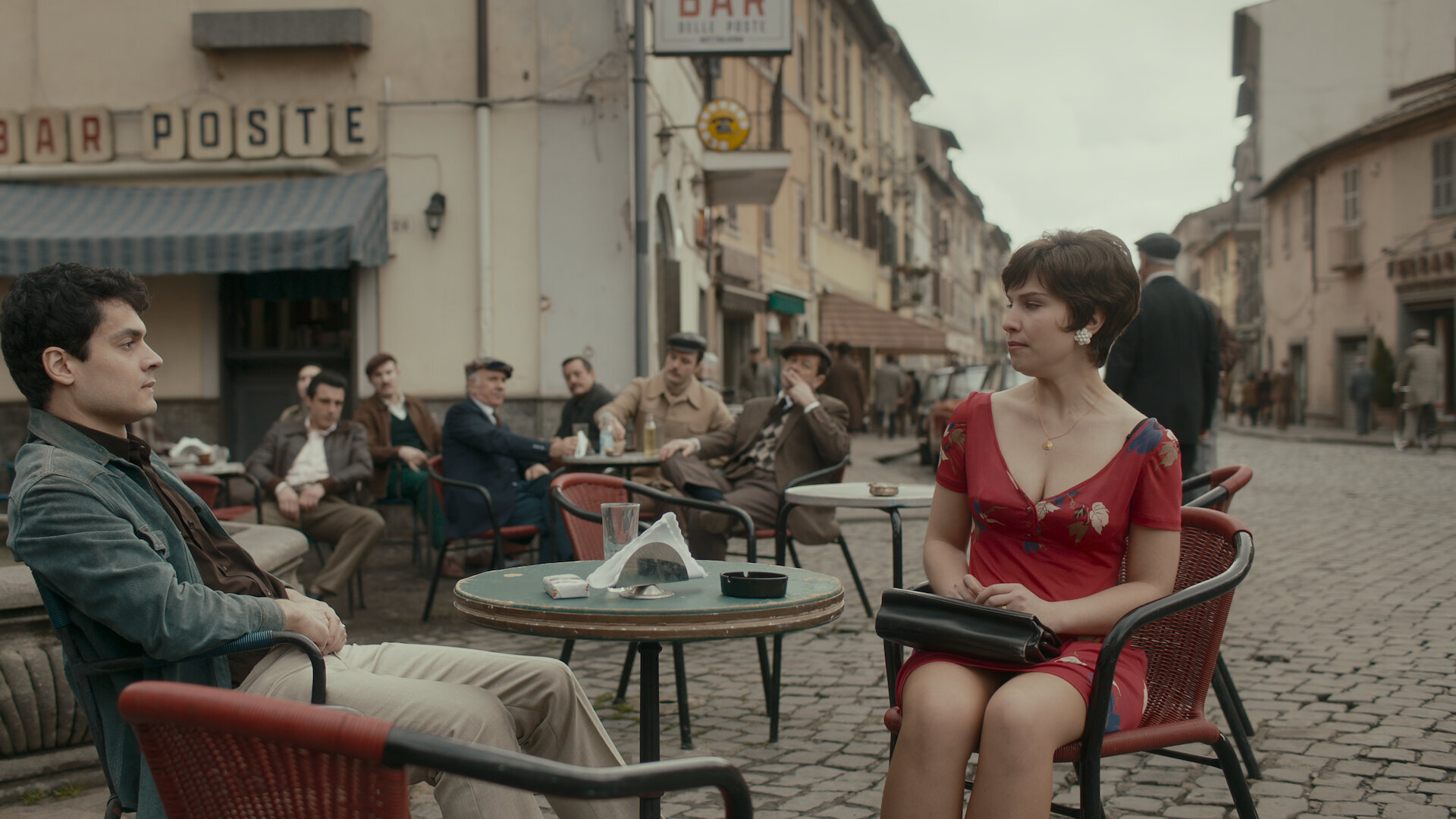
Enduring Adaptations: The labyrinthine conspiracy, judicial corruption, and unsolved nature of the files continue to captivate global audiences—fueling high-profile dramatic deep-dives like Netflix’s scripted true-crime series.
The Verdict
While breathless true-crime media loves to wrap every cold case in tidy conspiracy bows, The Monster of Florence remains an open, haunting wound in Italian legal history—a chilling testament to how systemic incompetence, rural paranoia, and media frenzy can turn a real-life monster hunt into an endless labyrinth where the true identity of the killer remains buried in the shadows.