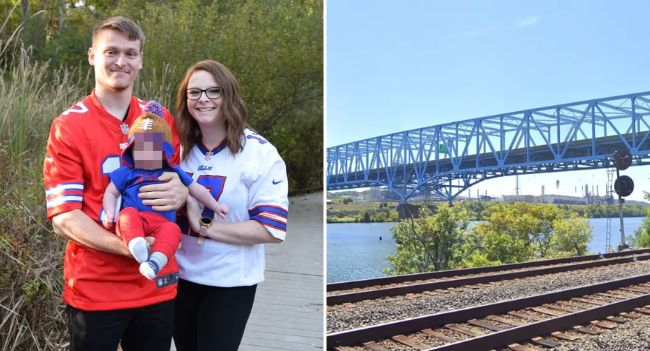
Comprehensive Analytical Review: Spatial-Digital Discrepancies, Acute Psychological Distress, and Triage Challenges in the Zachariah Schuck Disappearance
-
Spatial-Digital Divergence Between Phone Ping and Abandoned Vehicle:
-
The core investigative enigma in the October 22, 2026 disappearance of 32-year-old Zachariah “Zach” Schuck in Beaver County, Pennsylvania, stems from an 11-mile geographic split between his last digital trace and his vehicle’s recovery site: while Life360 recorded his cell phone stationary for roughly 53 minutes near the Vanport Bridge over the Ohio River, his father-in-law’s black Chevrolet Impala was found two days later on Croxall Avenue in Hopewell Township with the keys inside and an empty gas tank.
-
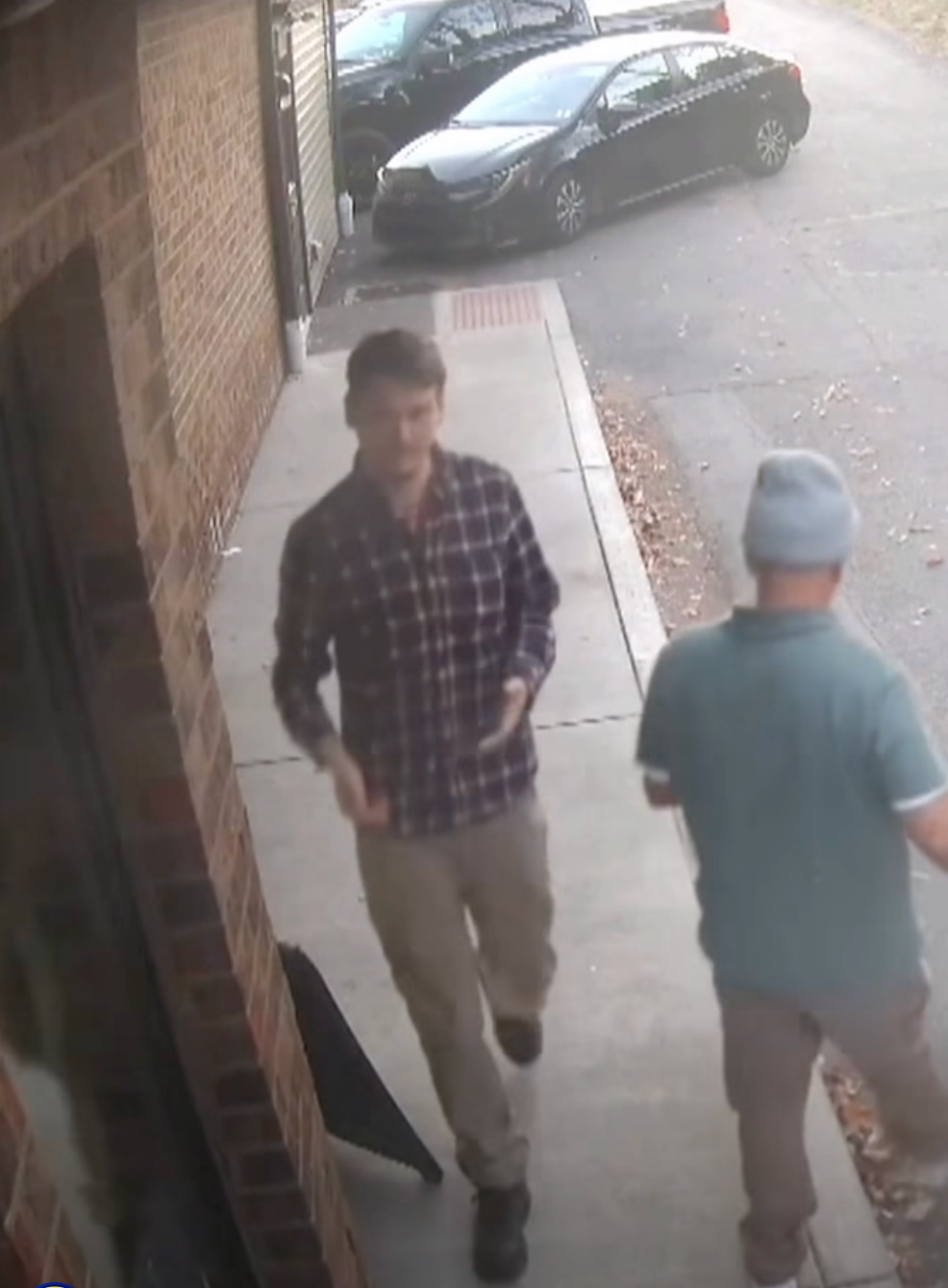
Because grainy doorbell footage captured only an unidentifiable shadowy figure exiting the Impala—and the nearby riverfront is heavily obstructed by industrial facilities and railroad infrastructure—investigators face competing hypotheses: whether Schuck drove until the tank emptied after leaving or losing his phone near the bridge, or whether an unknown party relocated the vehicle.

-
-
Compound Acute Stressors & Volitional Disappearance Indicators:
-
Beyond physical clues, Schuck’s pre-disappearance profile reveals severe, concealed psychological pressure: having secretly lost his full-time job six months earlier, hiding mounting debt and foreclosure notices from his family, and welcoming a second newborn just 20 days prior, he sent his wife Jennifer a cryptic four-word text—“Everything will be okay”—shortly after completing his final DoorDash pickup at New Sheffield Cafe around 7 p.m.
-
Coupled with the complete absence of bank-card transactions or cellular activity since October 22, these indicators point toward either a self-harm crisis or an intentional, off-grid departure triggered by acute financial shame and new-father responsibility overload.

-
-
Investigative Triage & Public-Communications Friction:
-
North Sewickley Township Police Chief Tyler Kelosky’s reluctance to explain why marine units were not deployed on the Ohio River during the critical first 48 hours—even while confirming shoreline monitoring, 200-plus home visits, and keeping a future river search “not out of the question”—illustrates the resource-allocation dilemma police face when physical evidence points toward a land-based trail 11 miles inland.
-
At the same time, his father Carl Schuck’s shift from criticizing the lack of early boat searches to affirming confidence in police transparency (“They are not hiding anything from me”) reflects how families of missing adults navigate prolonged ambiguity when neither water recovery nor land canvassing yields definitive proof.
-