Comprehensive Analytical Review: Vessel-Control Indicators, Wader-Induced Submersion Mechanics, and Search-Grid Constraints on Norfork Lake
-
Engine-State Clues & Unattached Kill-Cord Implications:
-
Recovering 18-year-old Braxtan Templeman’s boat on Norfork Lake shortly after 7:00 p.m. on November 23, 2026—unoccupied, with the ignition key still turned to the “on” position and the engine kill cord missing—points directly to an abrupt, unscheduled separation from the vessel rather than a planned shoreline landing.
-
Under standard boating safety design, an attached kill lanyard cuts ignition immediately when an operator is thrown from the helm; its absence from the switch indicates either that the cord was unclipped while Templeman moved around the boat to scout duck-hunting cover, or that it detached and went into the water with him, leaving the craft idling or drifting away from the exact point of entry.

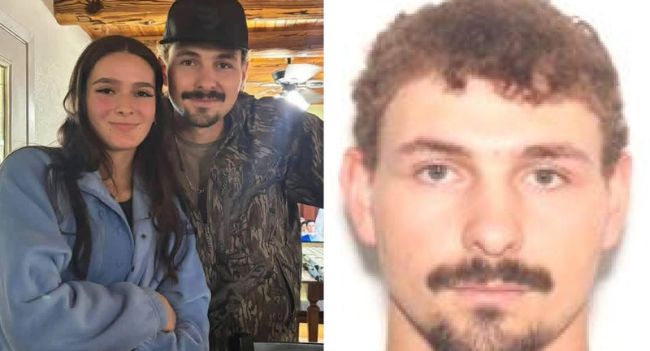
Authorities in Arkansas are searching for Braxton Templeman, who went missing after taking his boat on a lake to to check duck hunting spotsSource: Baxter County Sheriff’s Office

Templeman and his girlfriend Breanna, who is pleading for help on social media in the search for her missing boyfriendSource: Facebook
-
-
Fishing-Wader Hydrodynamics & Cold-Water Survival Window:
-
Because Templeman’s family confirmed his fishing waders were missing from his pickup truck, Baxter County Sheriff’s Office deputies identified a critical survival hazard: if he fell overboard wearing chest or hip waders alongside a digital camouflage jacket, jeans, and Hey Dude shoes, trapped air and rapid water inflow would immediately impair swimming mechanics, spike drag, and accelerate cold-water shock in late-November Arkansas lake temperatures.
-
While trapped air inside sealed waders can briefly create awkward lower-body buoyancy that forces a swimmer’s head downward, full flooding adds substantial deadweight once submerged, explaining why deputies noted he “would have quickly been submerged as they filled with water.”
-
-
Cell-Ping Triangulation & Submerged Search Challenges:
-
Matching Templeman’s last cellular ping to the area where the boat was recovered narrows the primary underwater search zone, though wind drift between his 4:30 p.m. launch and the 7:00 p.m. discovery can displace an unanchored, running or drifting boat hundreds of yards from the true fall-in coordinates.
-
Calling off the initial dive operation at 12:30 a.m. reflects standard night-diving safety protocols in deep, timber-filled reservoir environments like Norfork Lake, shifting recovery reliance toward side-scan sonar sweeps, aerial drone shoreline checks—in case he shed his waders and reached land—and daylight dive grids anchored by boat drift modeling.V
-