Inside Fury: Unpacking David Ayer’s Gritty, Mud-Slicked World War II Tank Masterpiece Starring Brad Pitt
If you look past breathless streaming algorithm hype trying to package every standard military action flick as a gritty historical revelation, you are looking at Fury, writer-director David Ayer’s 2014 war drama that strips away Hollywood gloss to expose the claustrophobic, brutal, and psychologically corrosive reality of armored combat in the waning days of World War II.
The Setup: April 1945, the German Heartland, and an Immobilized Fortress
Moving away from grand, sweeping strategic overviews or sanitized battlefield heroics, the narrative plunges straight into the cramped, deafening interior of an M4 Sherman tank:
-
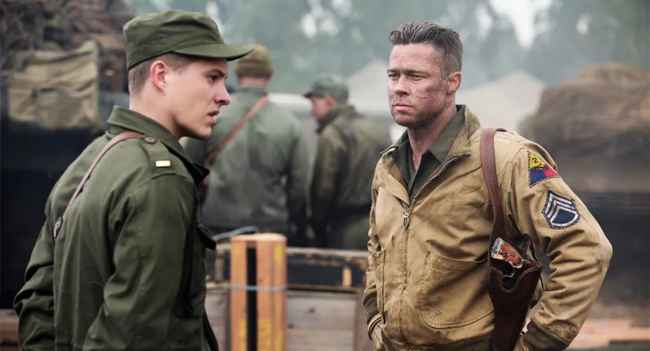
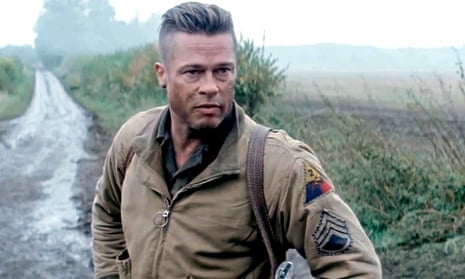
The Battle-Hardened Veteran Crew: The story follows Don “Wardaddy” Collier (played by Brad Pitt), a tough, stoic US Army sergeant commanding the remaining members of his battle-weary crew—including Boyd “Bible” Swan (Shia LaBeouf), Trini “Gordo” Garcia (Michael Peña), and Grady “Coon-Ass” Travis (Jon Bernthal).
-
The Green Recruit: The fragile psychological equilibrium of the tight-knit crew is violently disrupted when a terrified, untrained young typist named Norman Ellison (Logan Lerman) is suddenly assigned to their tank as a bow gunner with zero combat experience.
-
The Crossroads Last Stand: After their platoon is decimated, Wardaddy’s tank—aptly named Fury—is disabled by a landmine at a critical crossroads, forcing the men to make a desperate, suicidal last stand against an oncoming Waffen-SS battalion.

Key Cast & Creative Approach
-
Brutal Authenticity and Method Preparation: To forge genuine camaraderie and exhaustion, director David Ayer subjected the principal cast to a grueling, week-long Navy SEAL-style boot camp, forcing them to live inside a working tank, eat cold rations, and spar physically until they were bruised.
-
The Dehumanizing Toll of War: Eschewing patriotic cheerleading, the film examines how prolonged exposure to violence turns men into monsters, forcing innocent recruits like Norman to cross moral boundaries just to survive.
-
Unprecedented Armor Accuracy: Fury made cinematic history by featuring a genuinely functioning Tiger I tank (Tiger 131 borrowed from The Tank Museum in Bovington) alongside authentic M4 Shermans, lending the nerve-shredding armored engagements an uncompromised visual weight.
The Verdict
While breathless promotional blurbs love to spin wild hyperbole about war movies, Fury is a visceral, unrelenting, and psychologically intense masterpiece that reminds audiences that the true cost of combat isn’t just measured in territory gained, but in the shattered pieces of the souls left behind.
You can watch a behind-the-scenes look at the historical background and filming of the movie in this Fury making-of documentary, which explores how director David Ayer and the cast brought the armored combat of World War II to life.