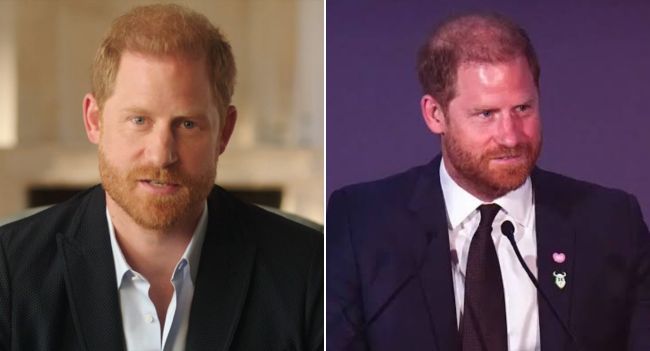
Prince Harry has opened up about a difficult period in his life after relocating to Canada with Meghan Markle and their young son, Prince Archie, revealing that he experienced a two-week period of depression after leaving behind the pressures of royal life.
The Duke of Sussex, now 42, described experiencing what he called an “adrenaline crash” just days after arriving in Canada in late 2019. The move came shortly before Harry and Meghan announced their decision to step back from their senior royal duties, setting in motion a dramatic change in their lives.
Speaking in a personal episode of MasterClass released on Thursday, October 8, Harry explained how years of stress may have left him dependent on adrenaline to keep functioning.
“Being in Canada, away from the stressful environment where presumably my body was just pumped full of adrenaline, within two or three days, I experienced this adrenaline crash, something that I’d never experienced before,” he said.
He continued: “It was as if I needed stress in order to get the adrenaline to make my brain function because I became useless around the house.”
Harry then revealed the extent of his struggle during those early days in Canada.
“I actually slipped into depression for about two weeks, and I felt like I couldn’t function without adrenaline,” he said.

Prince Harry has spoken about his feelings of depression (Image: Getty)
Prince Harry Opens Up About Years of Unresolved Grief
The new programme, filmed in California earlier this summer, sees Harry speak with neuroscientist Dr Mary-Frances O’Connor about the effects of grief on the brain and body.
Their discussion explores Harry’s own experience of losing his mother, Diana, Princess of Wales, who died in a car crash in Paris in 1997 when he was just 12 years old.
Harry suggested that the emotional consequences of that loss remained with him for years, even when he believed he was coping.
“For 15, 20 years, when I was being asked, ‘Are you okay?’ My response was, ‘I’m fine,’” he recalled.
“It was numbness, emotional shutdown. And without knowing it, adrenaline was pushing me, was driving me.”
His comments offer a glimpse into how he believes he dealt with his grief for much of his early adulthood, relying on activity and pressure rather than fully confronting his emotions.

Prince Harry revealed all in a discussion with Dr. Mary-Frances O’Connor (Image: Masterclass)
How Military Service Became an Escape
Harry also reflected on his decision to join the military at the age of 20, describing it as a way to direct his attention away from painful memories.
“It was the driving force of what led me to join the military at the age of 20. It was the perfect distraction,” he said.
“I couldn’t really think about much else apart from the task at hand.”
However, after returning from his second tour of Afghanistan in 2013, Harry began to recognise that what he had experienced during military service appeared to have triggered earlier trauma.
“The things that I saw, the things I experienced, appeared to be a trigger for other traumas that had stored themselves within me,” he explained.

The family took an extended break in Canada at the end of 2019 (Image: Instagram)
He also described experiencing panic attacks and a frightening sense of suffocation in situations that had previously seemed ordinary.
“I started to realise that I probably had become seriously depleted when just putting a simple dress shirt on — the tightening of the collar — literally felt like I was suffocating, and I would be experiencing panic attacks just in the car on the way to work,” Harry said.
Those experiences prompted him to recognise that something more serious was happening.
“And that’s when I realised, ‘Okay, there’s something bigger, there’s something else that you need to look into here,’” he added.
The Move That Changed Harry and Meghan’s Lives
:max_bytes(150000):strip_icc():focal(725x331:727x333)/prince-harry-masterclass-100826-3-16cacd2e052c47fdab61d4593c459e9a.jpg)
Harry’s reflections come against the backdrop of the major decisions he and Meghan made at the end of 2019.
The couple travelled to Canada with Archie for an extended break from royal duties and spent Christmas there rather than returning to the UK for the Royal Family’s celebrations at Sandringham. It was Archie’s first Christmas, and the family chose to mark the occasion away from the traditional royal gathering.
In early January 2020, Harry and Meghan briefly returned to Britain without their son and visited the Canadian Embassy in London.
On January 8, they announced that they intended to step back as senior members of the Royal Family and work towards becoming financially independent, while seeking to divide their time between the UK and North America.
The announcement prompted intense scrutiny and led to discussions involving Queen Elizabeth II, then-Prince Charles and Prince William at what became known as the Sandringham Summit.
The resulting agreement ruled out the half-in, half-out arrangement the couple had hoped to pursue. Harry and Meghan subsequently confirmed that they would not return to their previous roles as working royals and eventually established their permanent home in the United States.
Building a New Life in California
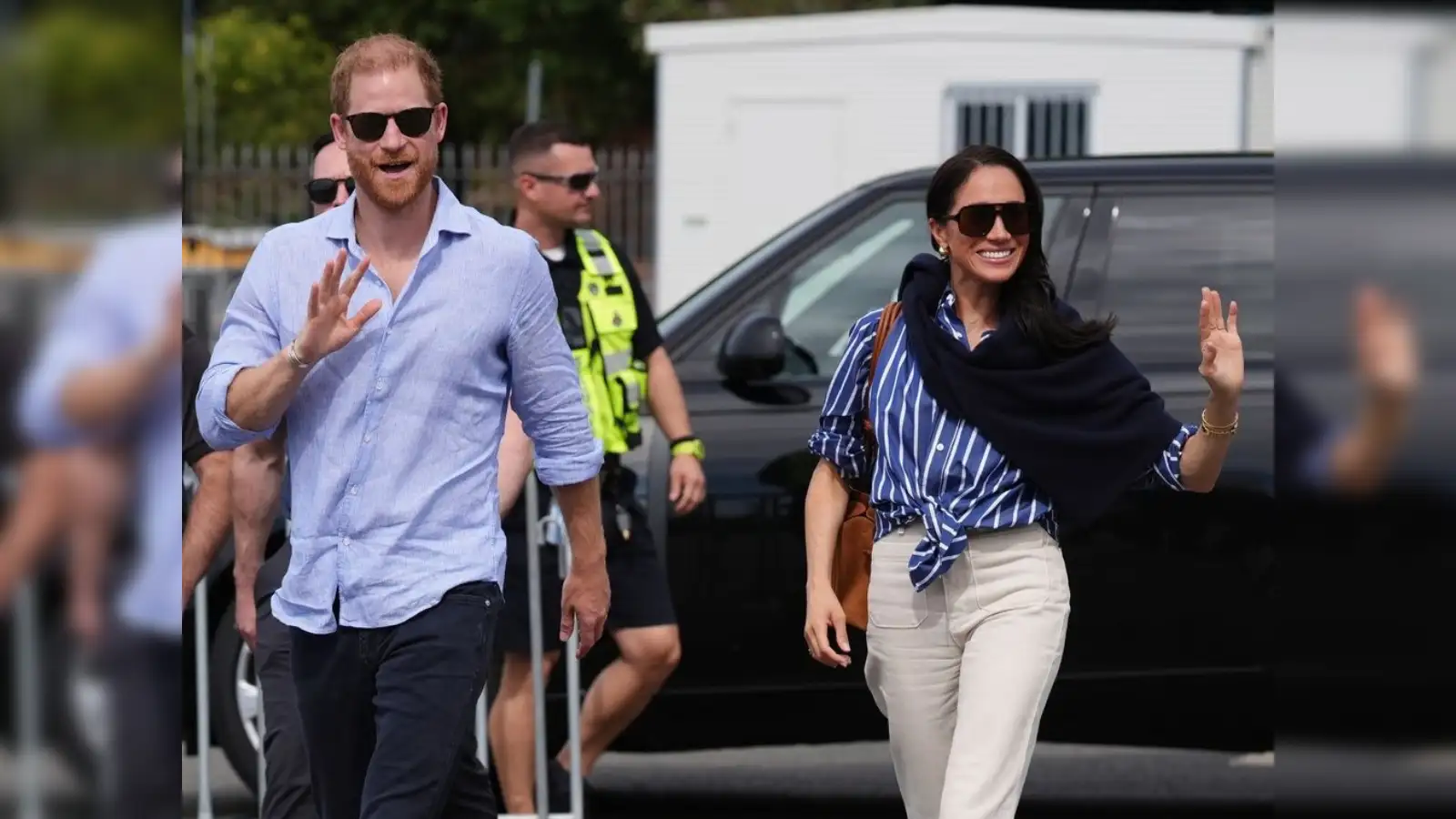
After settling in Montecito, California, Harry and Meghan began a new chapter away from the UK and the formal demands of royal life.
Their family grew on June 4, 2021, when Princess Lilibet Diana was born in Santa Barbara, California.
Harry’s latest comments reveal another side of the transition, focusing not on the public controversy surrounding the couple’s departure but on the personal and emotional challenges he says accompanied it.
By discussing his experiences of grief, emotional numbness and depression, the Duke of Sussex has offered a candid account of how the loss of his mother and later experiences affected him over time.
His conversation with Dr Mary-Frances O’Connor also brings attention to the lasting effects of bereavement and the importance of recognising when emotional struggles may require deeper understanding and support.