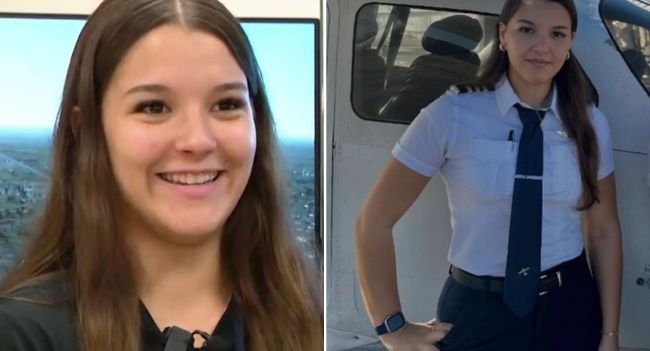
Federal investigators have revealed disturbing new details about the Learjet 60 crash in South Florida that killed nine people, including 20-year-old co-pilot Nathalia Gadelha Filgueiras. The National Transportation Safety Board (NTSB) is examining the aircraft’s final moments, including the crew’s reports of icing and severe turbulence and the possibility that the jet began breaking apart before it struck the ground.
The $2 million private aircraft was flying at an altitude where temperatures reached approximately -50 degrees Celsius when the crew encountered dangerous weather conditions. Investigators said the plane requested to climb to around 37,000 feet in an attempt to avoid the worsening weather, but the crew subsequently reported ice and turbulence.
The Learjet then plunged toward the ground, with debris scattered across an area extending roughly half a mile.


Investigators Believe the Aircraft Began Breaking Apart Before Impact
At a press briefing on Monday, NTSB spokesperson Thomas B. Chapman confirmed that investigators had found indications the aircraft was already breaking up before it hit the ground.
“We do have some indication the aircraft was breaking up before impact,” Chapman said.
The Learjet 60 was travelling from Austin, Texas, to the Bahamas when it went down near a trailer park in the Palm Beach area of Florida on Sunday, November 1, 2026.
According to investigators, the aircraft was descending at approximately 32,000 feet per minute before it exploded on the ground. The force of the impact left a massive crater at the crash site, which has since become partially filled with water.
That water is making the investigation more difficult as specialists work to recover evidence and establish exactly what happened during the aircraft’s final moments.
NTSB Examines Co-Pilot Nathalia Filgueiras’ Role

Among the nine people killed was Filgueiras, the 20-year-old co-pilot whose final communications have become an important part of the investigation.
She reportedly sent a text message to her boyfriend just minutes before the crash, describing the icing and turbulence the aircraft was experiencing.
Investigators are now working to establish what role she was performing in the cockpit at the time of the disaster. They have not yet determined whether she was at the controls when the Learjet began its fatal descent.
The NTSB has not suggested that Filgueiras was responsible for the crash. Her involvement is one of several aspects investigators are examining as they piece together the sequence of events.
Investigators Search for Flight Recorder Evidence
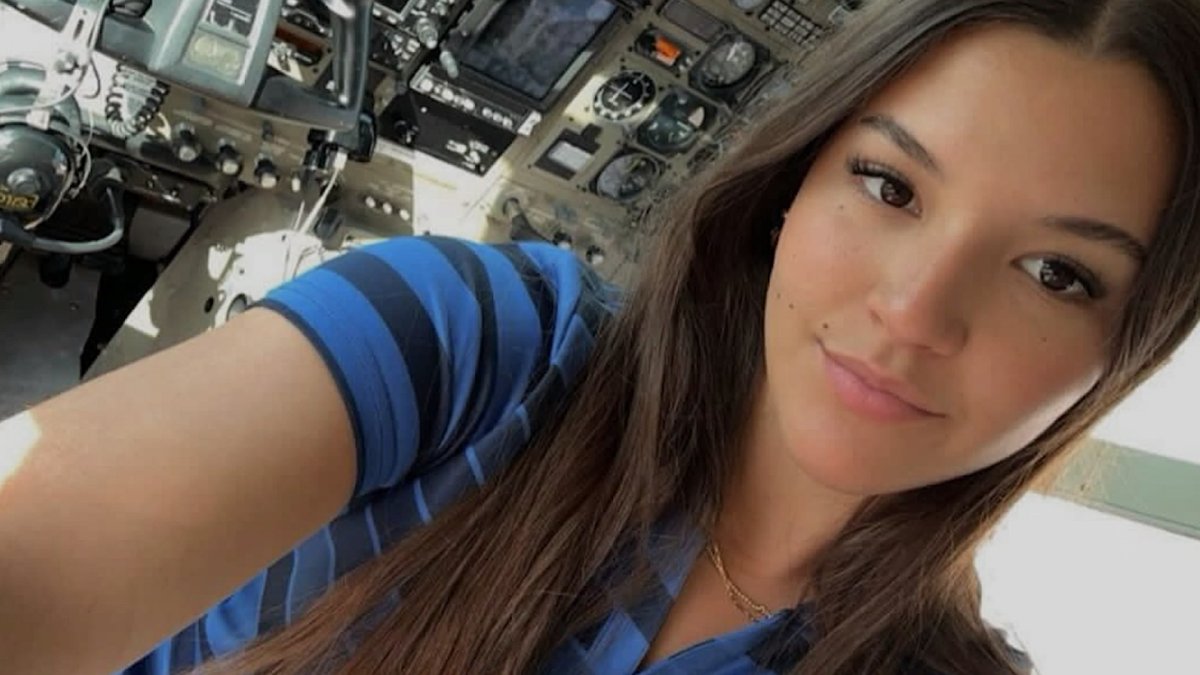
Another major question concerns whether the aircraft’s black box survived the impact.
Investigators are still trying to determine whether a flight recorder was installed on the Learjet and, if so, whether it was recording and remains recoverable.
Such equipment could provide valuable information about the aircraft’s performance, cockpit activity and communications during the emergency. However, until investigators establish whether the recorder is available, they must rely on other evidence, including communications from the crew and physical examination of the wreckage.
Cause of the Crash Remains Unknown
Although the crew reported icing and turbulence before the aircraft went down, investigators have not determined whether ice accumulation contributed to the disaster.
The NTSB is continuing to examine the aircraft’s final flight, the possibility of structural failure before impact and the circumstances surrounding its rapid descent.
The pilot and the seven passengers who were also on board have not yet been publicly identified.
For now, the investigation remains focused on reconstructing the Learjet’s final minutes and determining why a flight bound for the Bahamas ended in such a devastating crash near Palm Beach.