Florence Pugh Takes on One of Literature’s Most Unsettling Characters in Netflix’s Sweeping New East of Eden Adaptation
Netflix is returning to one of John Steinbeck’s most celebrated novels with an ambitious seven-part adaptation of East of Eden, placing Florence Pugh at the center of a sprawling family saga about inheritance, ambition, identity and the darker impulses that can echo through generations.
Written and executive produced by Zoe Kazan, the series approaches Steinbeck’s 1952 novel on a much broader canvas than the famous 1955 film starring James Dean. Rather than concentrating on only one section of the story, Kazan wanted to explore more of the complicated lives connecting the Trask and Hamilton families in California’s Salinas Valley.
Zoe Kazan has a family connection to East of Eden
For Kazan, adapting Steinbeck’s novel carries an unusual personal significance.
Her grandfather, Oscar-winning filmmaker Elia Kazan, directed the 1955 screen version of East of Eden. Seven decades later, his granddaughter is approaching the same source material from a different perspective and in a format that gives her considerably more room to explore the novel.
Steinbeck once characterized East of Eden as simultaneously a story about his country and himself. Kazan has said that idea became central to her own adaptation: she wanted the television version to possess both the enormous scope of a generational epic and the intimacy of an intensely personal story.
Her connection to the earlier movie did not mean attempting to recreate it.
The James Dean film adapted only part of Steinbeck’s enormous narrative, while Kazan saw the seven-episode format as an opportunity to spend more time with the novel’s wider collection of characters and relationships.
Florence Pugh becomes Cathy Ames
Among all those characters, one presented a particularly formidable challenge.
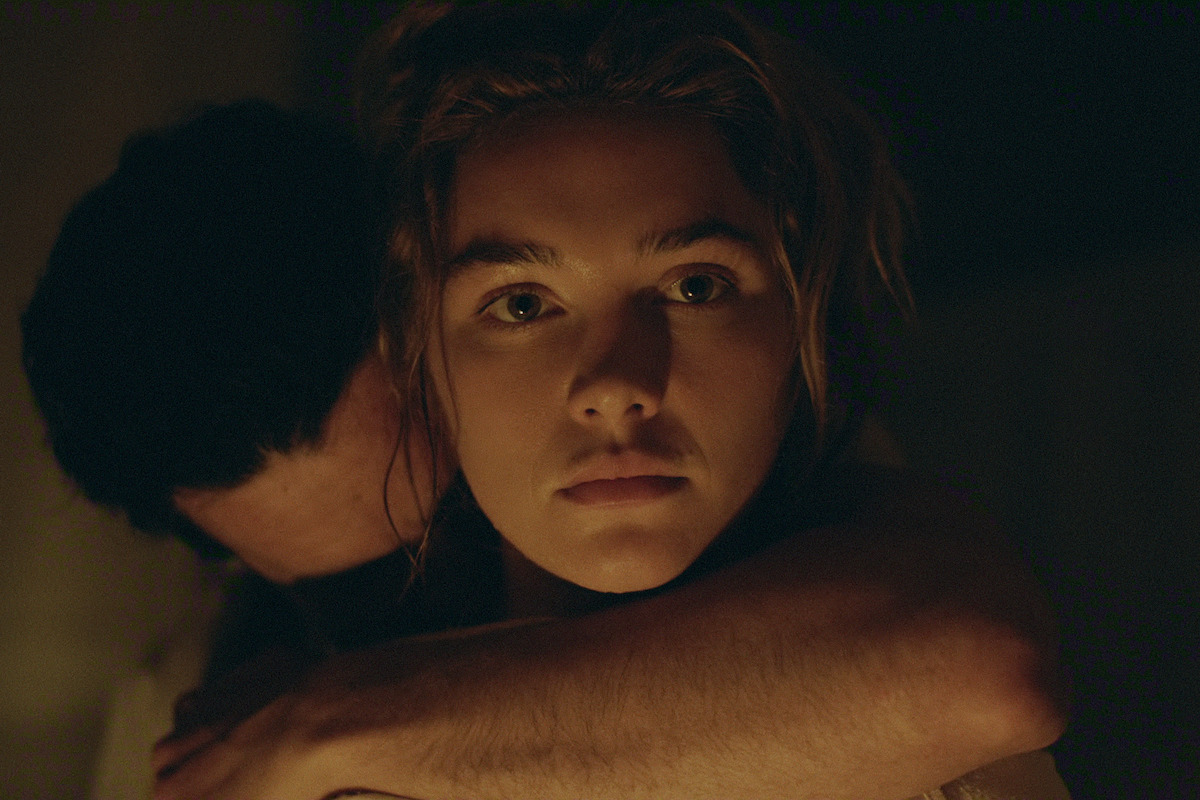
Florence Pugh plays Cathy Ames, the deeply complicated antihero whose decisions have enormous consequences for the people surrounding her.
Cathy has remained one of the novel’s most controversial figures because Steinbeck refuses to make her an easily understood or conventionally sympathetic character. That ambiguity is precisely what makes the role such demanding material for an actor.
For Kazan, however, the casting decision apparently required little debate.
She said Pugh was the person she wanted for Cathy and that she did not have another performer waiting as an alternative if the casting failed to happen. After watching Pugh throughout the five-month production, Kazan’s admiration for her performance only increased.
She particularly praised Pugh’s extraordinary awareness of the camera, describing the actress as a remarkable talent whose process remained difficult to decipher even after months of working together.
The series wants to reveal Cathy rather than reinvent her
The new adaptation faces an interesting problem with Cathy.
Modern audiences may naturally want explanations for a character whose behavior can be disturbing and difficult to categorize. But providing a neat psychological explanation could fundamentally change what has made Cathy such a provocative figure for generations of readers.
Kazan therefore chose another route.
Her intention was to make audiences recognize Cathy as a fully realized person rather than simply treating her as an archetype, while still preserving the uncertainty surrounding her.
Instead of constructing an entirely new history for the character, the series gradually reveals different dimensions already rooted in Steinbeck’s material.
Kazan has emphasized that the adaptation remains connected to the novel and that what audiences see on screen can be traced back, in some form, to Steinbeck’s original work.
Two families and the consequences of inheritance
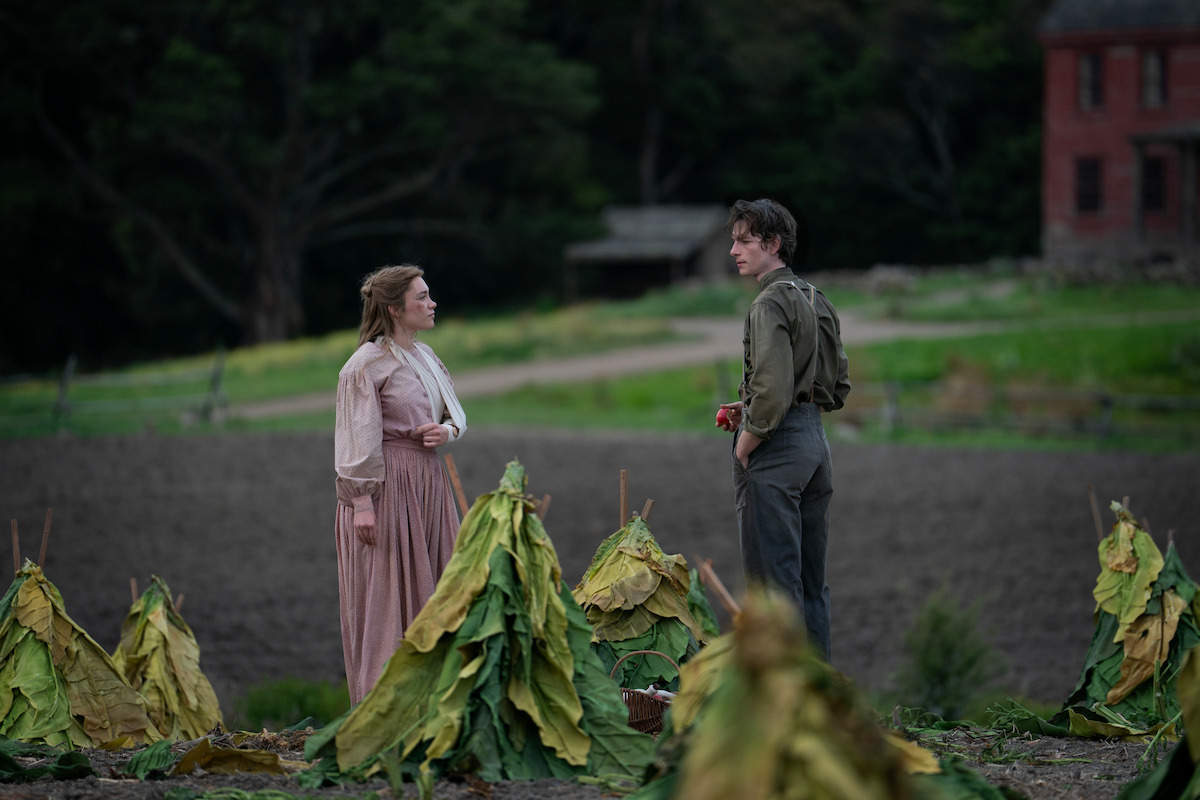
Although Florence Pugh occupies a crucial position in the drama, East of Eden is much larger than the story of Cathy Ames alone.
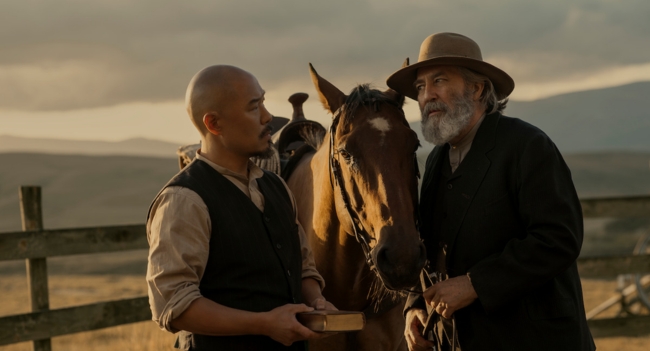
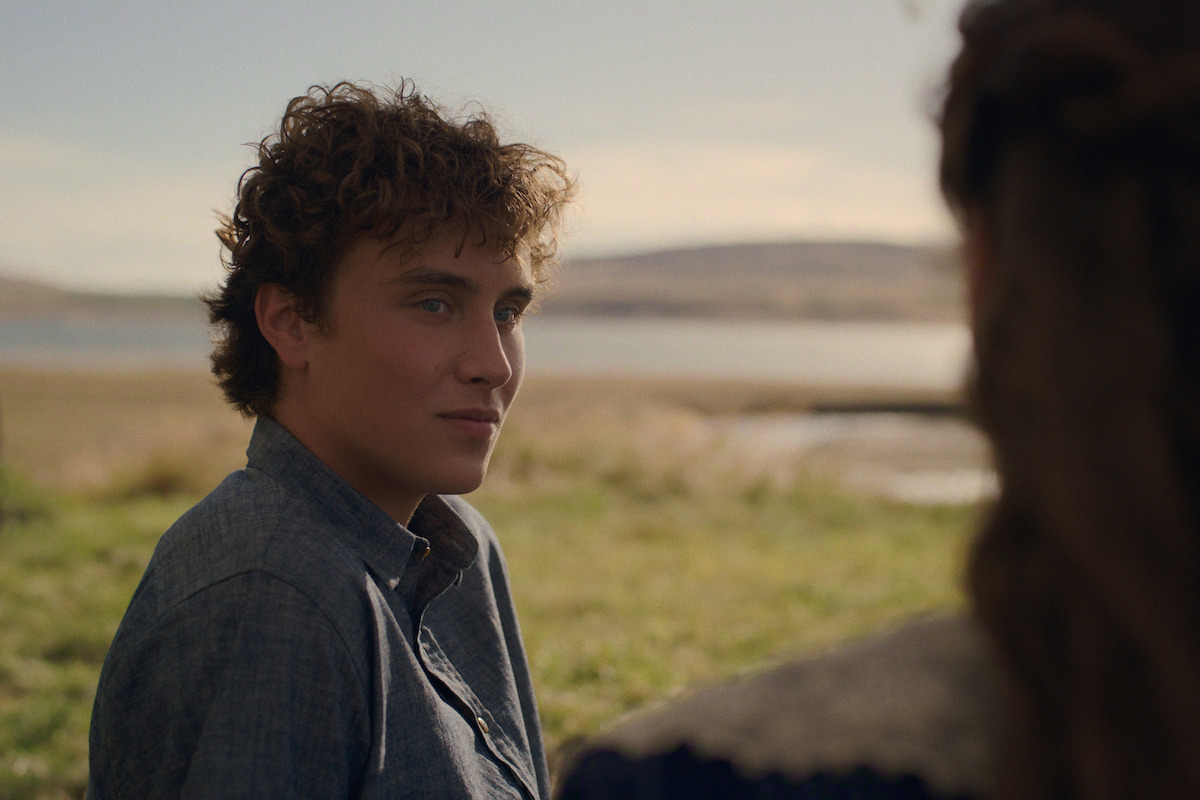
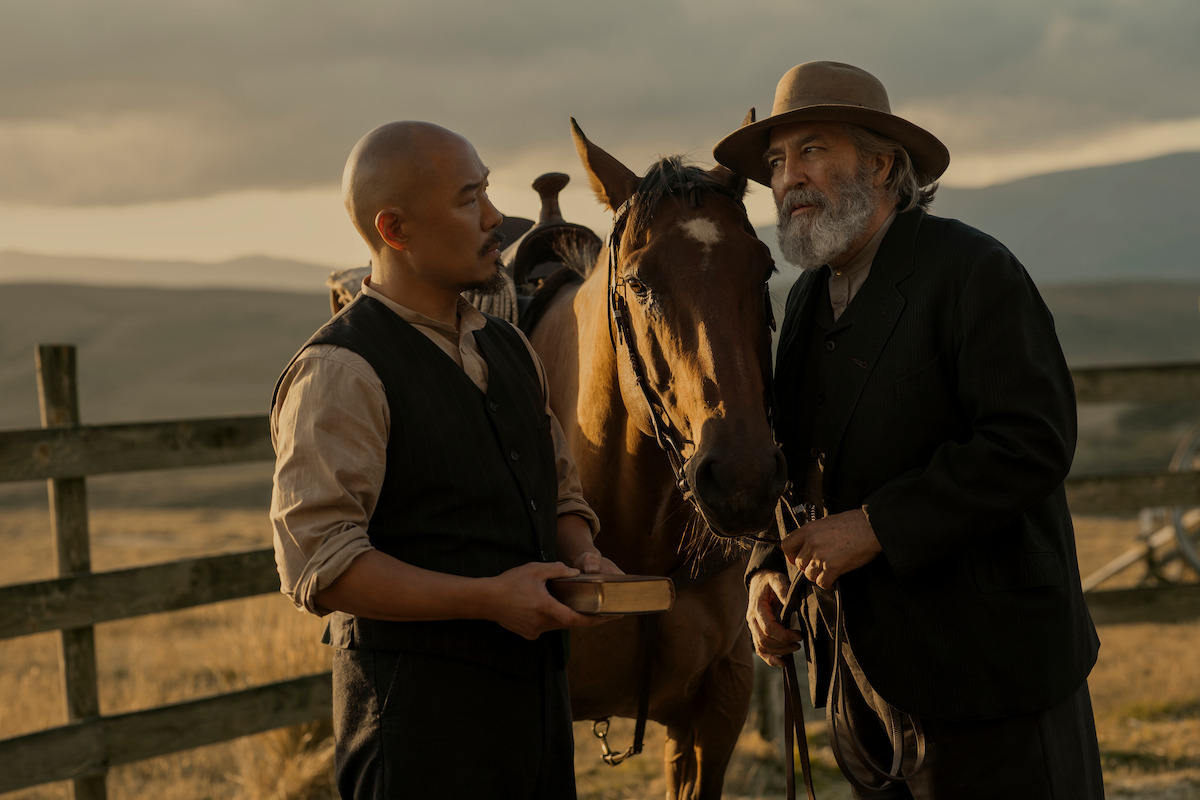
The narrative moves across generations as the Trask and Hamilton families build their lives in California’s Salinas Valley. Mike Faist, Christopher Abbott and Ciarán Hinds are among the performers joining Pugh in bringing that world to the screen.
Family inheritance becomes one of the adaptation’s central concerns — not simply property or wealth, but the emotional burdens, patterns and unresolved conflicts passed from one generation to another.
For Kazan, the story raises questions about what people receive from those who came before them, what they continue carrying through their own lives and whether they can ultimately confront the parts of themselves they would rather ignore.
Those ideas help explain why a novel published more than seven decades ago can still provide rich material for a contemporary television adaptation.
A much larger East of Eden than the famous film
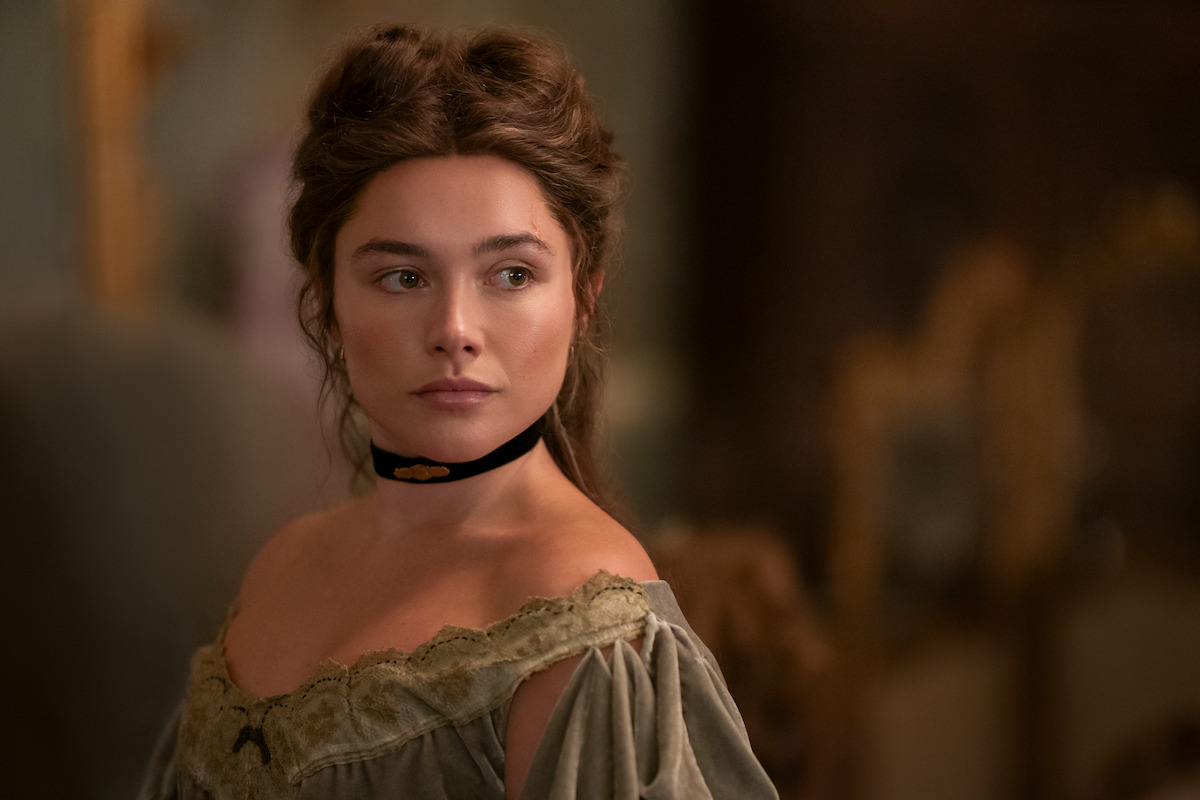
Comparisons with the 1955 movie will be inevitable, particularly because of Kazan’s family connection to that production.
But the seven-part structure creates the possibility of something substantially different.
Rather than attempting to replace or reproduce the James Dean film, Netflix’s East of Eden can draw from a much greater portion of Steinbeck’s generational narrative. That allows more space for the relationships, contradictions and moral questions that surround Cathy and the two families.
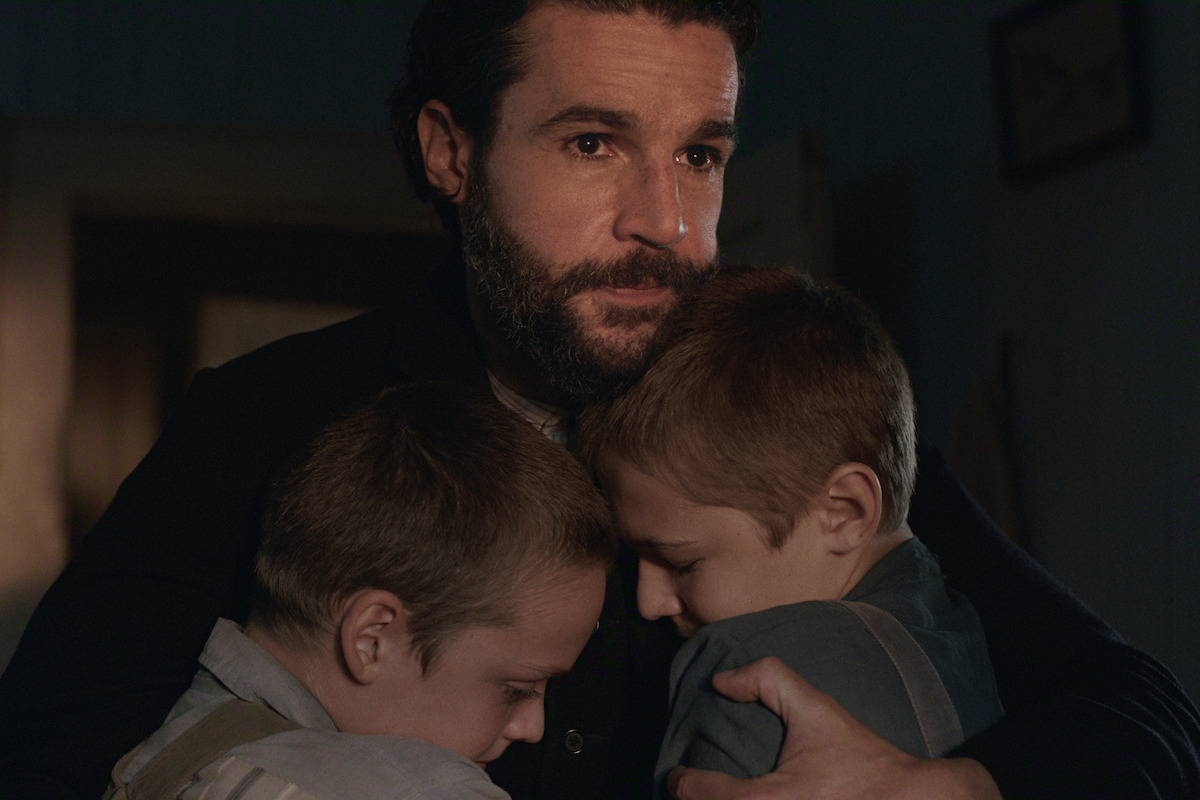
It also gives Florence Pugh an opportunity to tackle a literary character whose motivations have inspired debate for decades.
For Kazan, that complexity appears to be the point. Cathy does not need to be transformed into an easily understood heroine. The challenge is to reveal enough of the person underneath the character without removing the ambiguity that makes her so fascinating.
Netflix’s seven-episode East of Eden premieres Oct. 1.