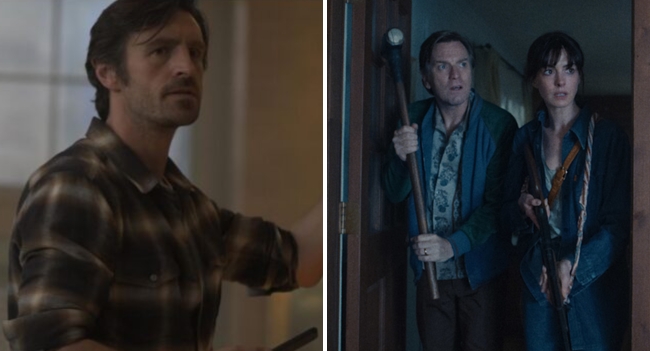
A HEARTFELT TRIBUTE — The Story Behind Ransom Canyon’s Emotional Dedication To Lori Romero
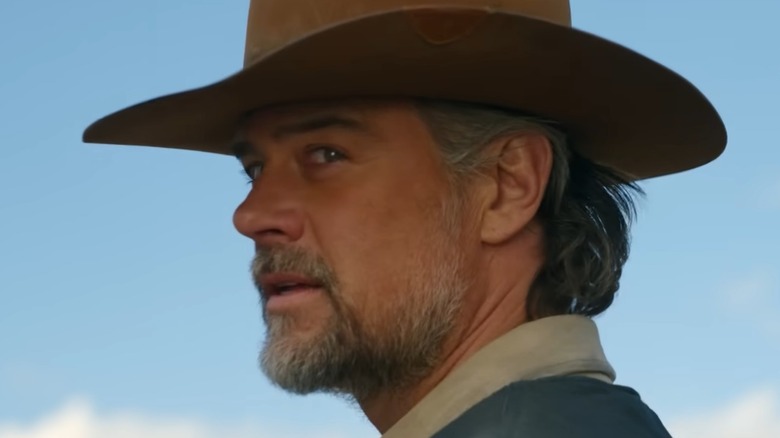
Fans of Ransom Canyon may have expected the Netflix western drama to end its first season with more questions about the Kirkland and Fuller families, but the final moments delivered something far more personal and unexpectedly emotional. As the season finale faded toward its closing credits, viewers were greeted by a simple title card dedicated to Lori Romero, reading In loving memory of Lori Romero. The brief message immediately caught the attention of audiences who had followed the drama through its complicated relationships, ranching conflicts and family secrets. For viewers unfamiliar with Romero, the dedication naturally raised an important question: who was she, and why did Ransom Canyon choose to remember her? Romero was not one of the actors appearing on screen. She worked behind the scenes as a makeup artist and hairstylist, contributing to productions in the film and television industry. Her connection to Ransom Canyon was therefore part of the enormous creative team whose work often remains invisible to audiences even though it plays an essential role in bringing characters and stories to life. According to reports about her career, Romero worked on Ransom Canyon during its production in New Mexico. She died unexpectedly on January 1, 2025, before the series premiered. The tribute at the end of Season 1 consequently became more than a routine credit. It was a public acknowledgement of a member of the production family whose contribution had helped shape what viewers ultimately saw on screen.
Lori Romero’s professional career was closely connected to the New Mexico film industry, where she built a reputation for her work in hair and makeup. Her obituary described her as someone whose talent and specialisation in high-quality makeup and hair helped establish her career in movies, while also emphasising how important her “film family” was to her life. That description offers a glimpse into the world behind productions such as Ransom Canyon, where hundreds of people can work together without ever becoming recognisable names to viewers. Makeup and hairstyling can appear deceptively simple when watching a finished programme, but the work can involve maintaining continuity between scenes, creating period or character-specific appearances, handling demanding shooting conditions and helping performers embody the people they portray. Romero’s credits extended beyond Ransom Canyon. Her reported film and television work included productions such as The Marksman, The Harder They Fall, Deadly Illusions and End of the Road, among other projects. Her career therefore represented years of creative work across different productions rather than a single appearance in one series. She was also a member of IATSE Local 480 for nine years, according to the union’s announcement following her death. The union remembered her dedication, talent and passion for her craft, reinforcing the picture of a professional who had become part of the wider New Mexico production community.

What makes the dedication especially poignant is the description of Romero as someone whose personality was as memorable to colleagues as her professional skills. Her obituary reportedly described her as having a big heart and being willing to help anyone who needed assistance. It also remembered her infectious laugh, suggesting that her presence on sets went beyond the practical responsibilities of hair and makeup. Film productions can be intense environments, involving long hours, repeated takes, tight schedules and enormous pressure to maintain the visual consistency of a story. People who work behind the scenes often develop close relationships because they spend so much time together during production. Romero’s family and colleagues appear to have viewed that professional community as an important part of her life. A relative also publicly recalled spending time with her on sets and described her as deeply dedicated and passionate about her work as a hair and makeup artist. Those personal memories help explain why a series such as Ransom Canyon would choose to preserve her memory in such a visible way. The title card may have lasted only a few seconds, but its emotional significance was much greater. Rather than being remembered solely through a name in a long list of production credits, Romero was given a dedicated message that allowed millions of viewers to encounter her name and understand that a real person stood behind the work that helped create the series.
Romero’s contribution is particularly meaningful when considering the visual world of Ransom Canyon. The series is built around ranching families, romance, grief, conflict and the traditions of a small Texas community, creating a distinctive atmosphere that depends heavily on the appearance of its characters. Although viewers may focus on Josh Duhamel’s Staten Kirkland, Minka Kelly’s Quinn O’Grady and the younger generation caught in the struggles between their families, every character’s visual identity is shaped by people working behind the camera. Hair and makeup help establish age, personality, emotional state and continuity, often without audiences consciously noticing the work. A character’s appearance can change subtly after a traumatic event, during a romantic moment or as relationships develop, and those details contribute to the storytelling. Romero’s profession placed her directly within that creative process. Her work may not have appeared in the form of a performance, but it helped the performances feel authentic. That is why the tribute has resonated with fans who discovered her story after watching the finale. It provides a reminder that television is not created only by the people whose names appear prominently on promotional posters. It is the result of an enormous network of artists, technicians, coordinators and craftspeople whose contributions can become invisible once the final episode reaches the screen. By dedicating the finale to Romero, Ransom Canyon effectively pulled one of those hidden contributors into the spotlight and gave viewers a chance to recognise the person behind the scenes.
There is also something particularly moving about the timing of the tribute. Romero died unexpectedly on January 1, 2025, at the age of 61, according to reports citing her obituary. Ransom Canyon premiered several months later, meaning audiences were watching a series she had helped create without initially knowing that one of its behind-the-scenes contributors was no longer alive. The dedication therefore changed the emotional context of the finale. What might otherwise have been a standard transition into the credits became a moment of remembrance. For fans who searched for Romero after seeing the message, the discovery of her career revealed someone whose work extended across a substantial number of productions. Her death had already been acknowledged by the New Mexico branch of IATSE, and colleagues expressed their sadness over losing someone who had contributed to the local film community. The tribute on Ransom Canyon subsequently became another part of that collective remembrance. It also illustrates how television productions can preserve the memory of people long after filming has ended. A show can become a permanent record of the work of hundreds of people, and a dedication can ensure that a particular contributor is remembered by audiences who never had the opportunity to meet them. For Romero’s family and friends, seeing her name attached to a major production may have carried a significance that went far beyond the brief appearance of the title card. It offered a public acknowledgement that her work mattered and that the people she worked alongside had not forgotten her.
Romero also left behind a body of creative work that demonstrates the range of her skills. Reports about her career have highlighted projects spanning different genres and styles, from action films to dramas and thrillers. Her work on productions such as The Marksman and The Harder They Fall placed her in very different visual worlds, while other projects required entirely different approaches to character presentation. She reportedly enjoyed sharing examples of her work, including special-effects makeup and artificial injuries, on social media. One example from her Instagram showed elaborate makeup designed to create a monster-like appearance for Halloween, while another demonstrated a realistic fake wound. Such images reveal the technical and artistic side of a profession that audiences often take for granted. Makeup artists can create transformations that alter how viewers perceive a character, whether the goal is to make someone appear older, injured, glamorous, rugged or completely different from their everyday appearance. Romero’s portfolio suggested an enthusiasm for that creative challenge. Her legacy therefore exists not only in the memories of people who knew her personally but also in the productions that carry traces of her work. Every time one of those films or television shows is watched, the skills of the people behind the scenes become part of the finished experience. Ransom Canyon’s dedication makes that invisible contribution visible. Instead of allowing Romero’s involvement to disappear among hundreds of names in the credits, the series gave her a moment of recognition that continues to prompt viewers to ask about the woman whose work helped create the world they were watching.
Ultimately, the tribute to Lori Romero is a reminder that the emotional impact of Ransom Canyon extends beyond its fictional families and dramatic storylines. The series may be built around love, loss, ambition, betrayal and the struggle to protect a way of life, but its creation involved real people whose own lives continued beyond the cameras. Romero’s unexpected death before the series reached audiences meant that she could not see the finished show or witness the response from viewers. Yet the final dedication ensured that her name became permanently connected to the production. Her career, her passion for hair and makeup and the memories shared by those who knew her provide a picture of a creative professional who made an important contribution to the film community. The tribute also gives fans a different way of looking at the series: every character appearing on screen is supported by a team of people whose work may never be noticed unless something draws attention to it. For Romero, that moment came through a quiet message at the end of the season. It was brief, understated and deeply personal. And perhaps that is why it has stayed with viewers. Behind the drama of Ransom Canyon was a real creative family—and through one simple dedication, Lori Romero’s work and memory became part of the story that audiences will continue to remember.